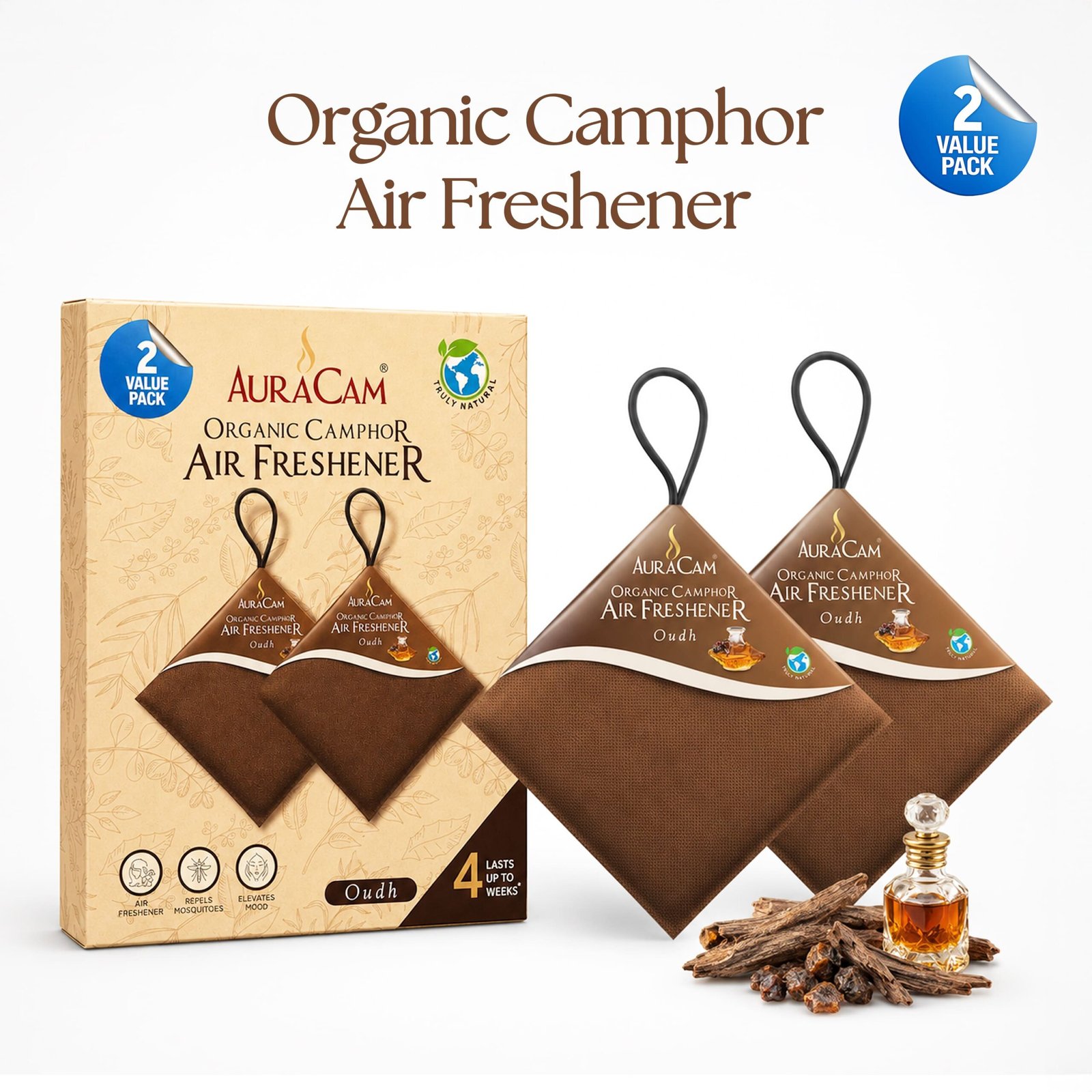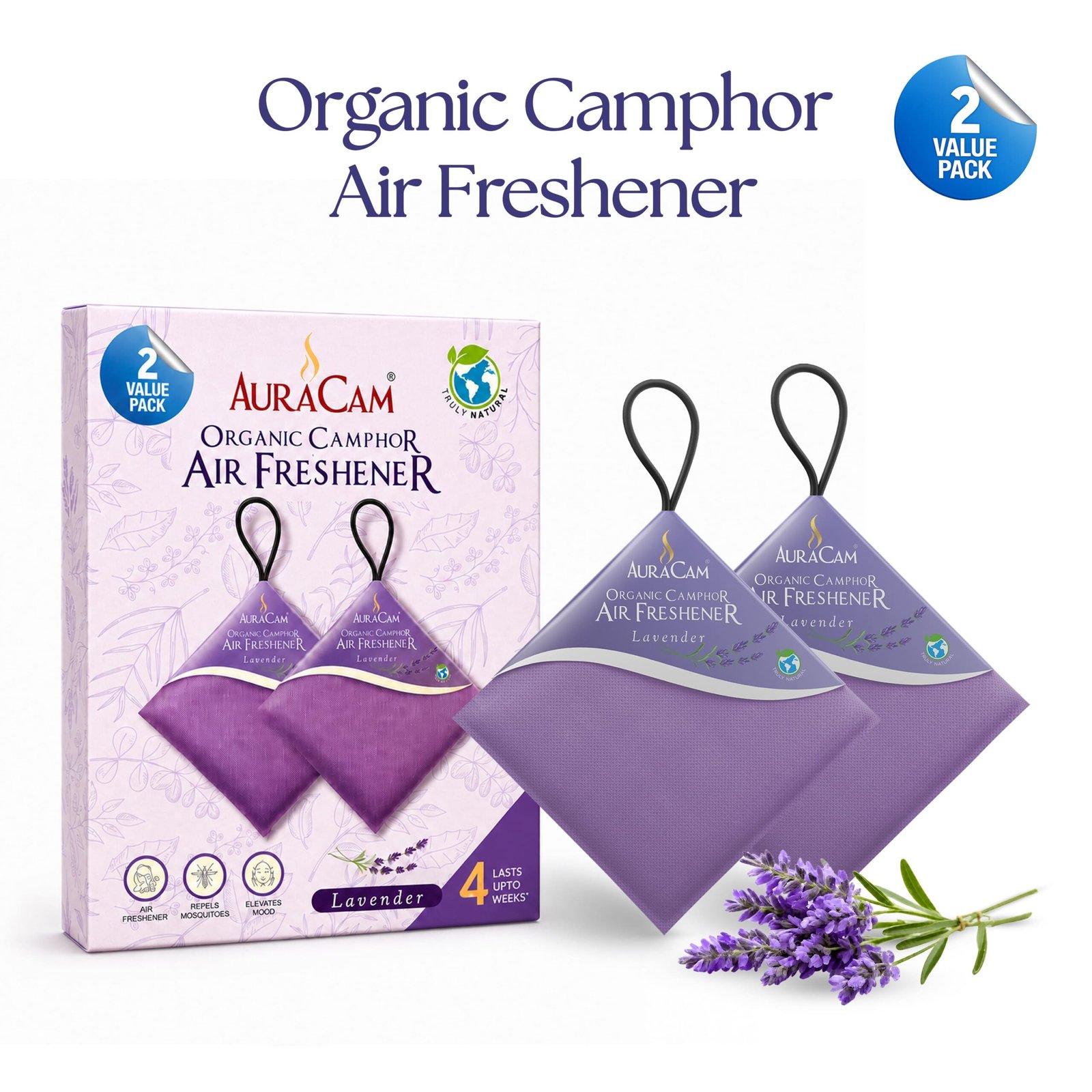
Camphor air freshener home use is growing faster than most interior wellness trends in India right now – and for good reason. As urban households grapple with traffic fumes, monsoon dampness, cooking odours, and the lingering staleness of air-conditioned rooms, more Indian families are asking a simple but important question: why keep reaching for a chemical spray when nature has already solved the problem?
A 2026 survey by the Indian Council for Research on International Economic Relations (ICRIER) found that indoor air quality in Indian homes is, on average, 2–5 times more polluted than outdoor air – largely due to synthetic aerosols, cleaning agents, and petrochemical room fresheners. The same survey noted that 58% of urban respondents had switched or were actively considering switching to natural home fragrance alternatives.
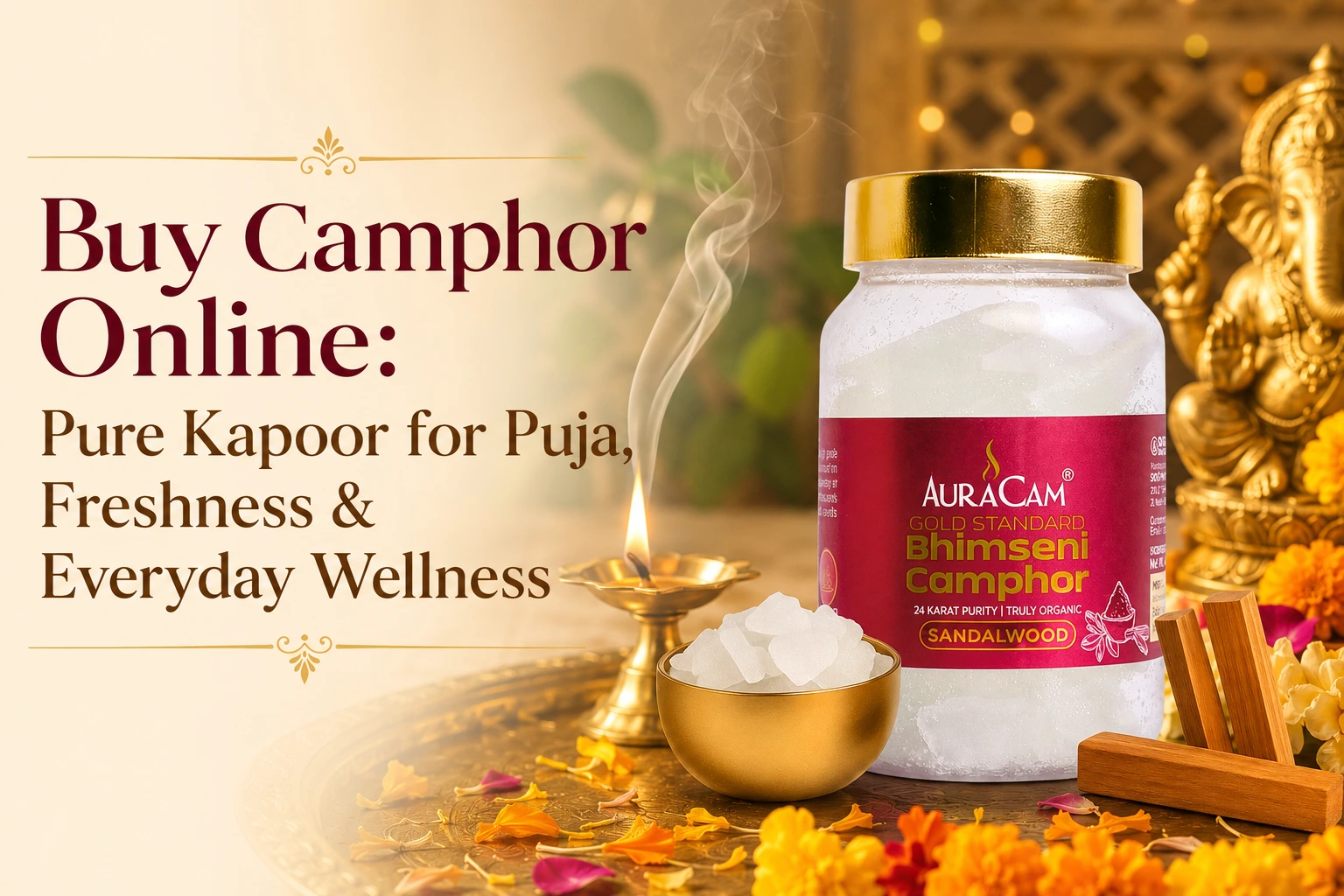
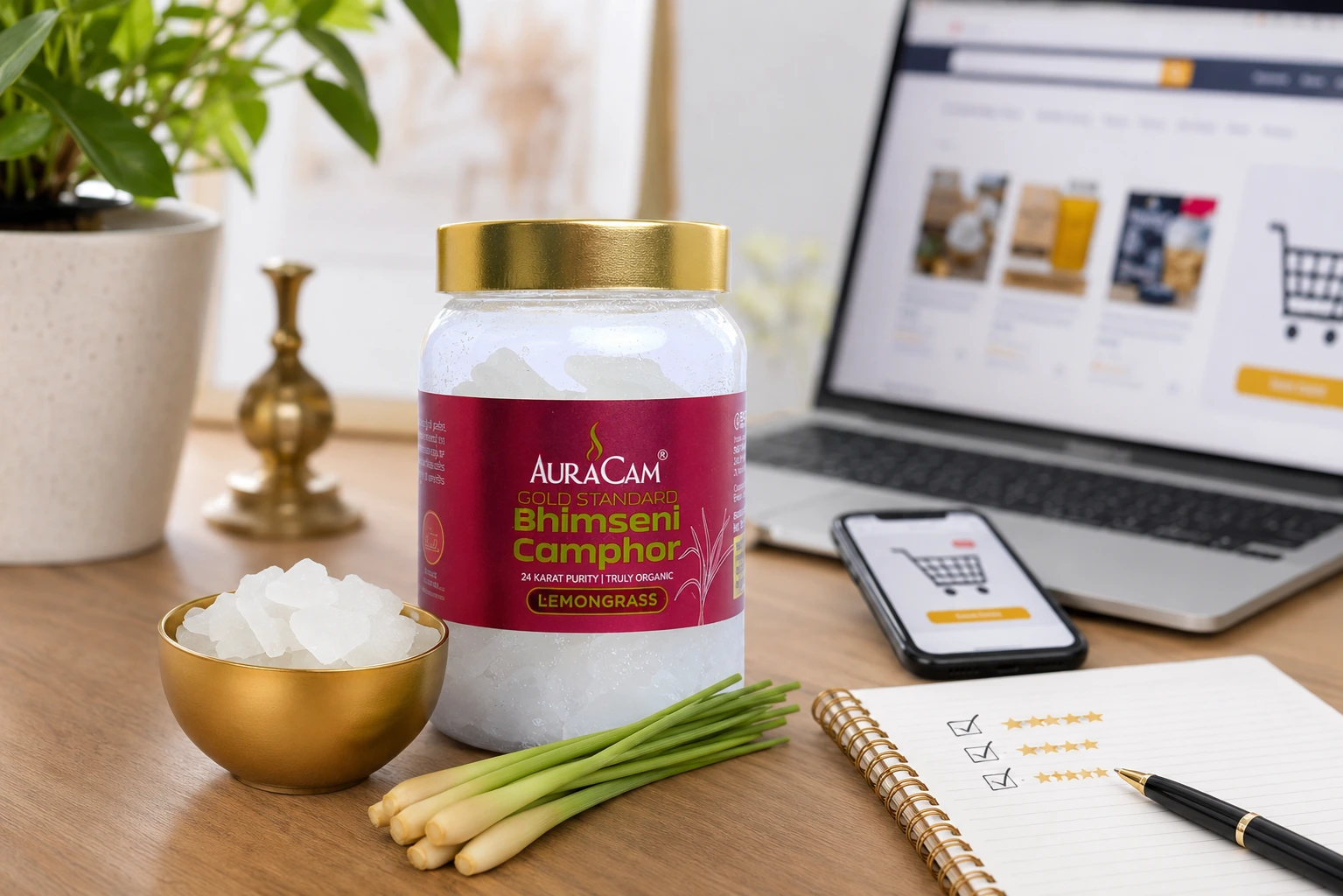
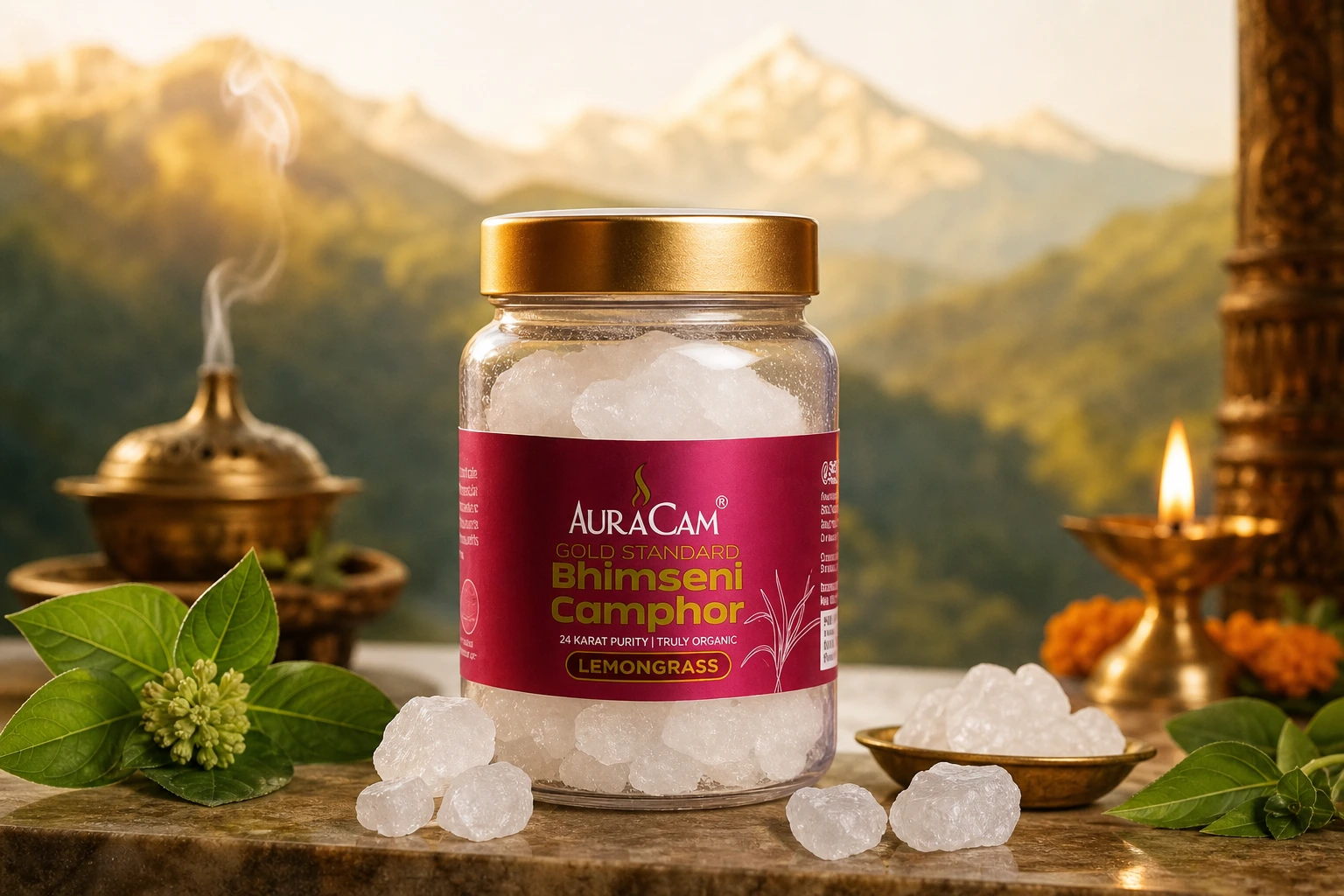
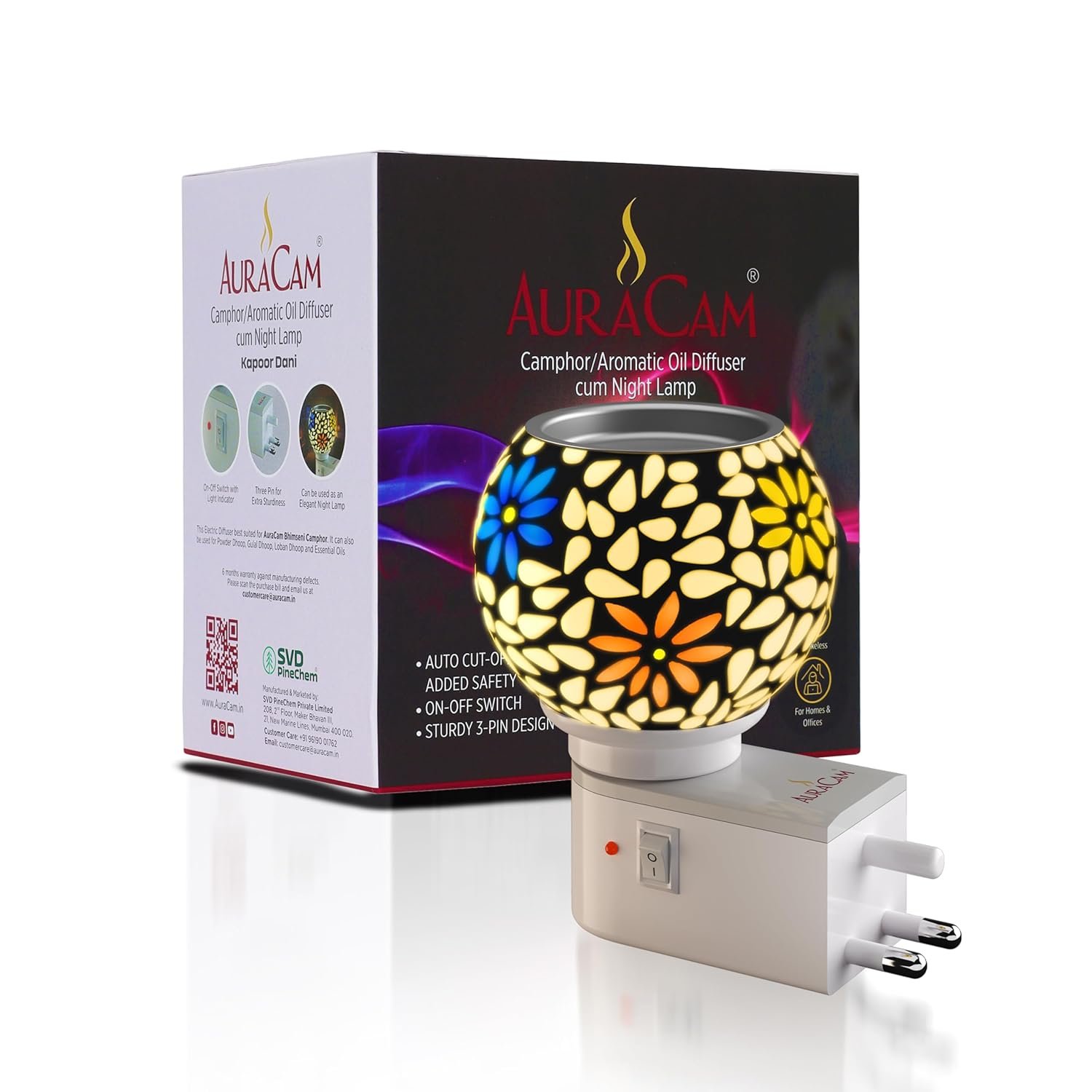
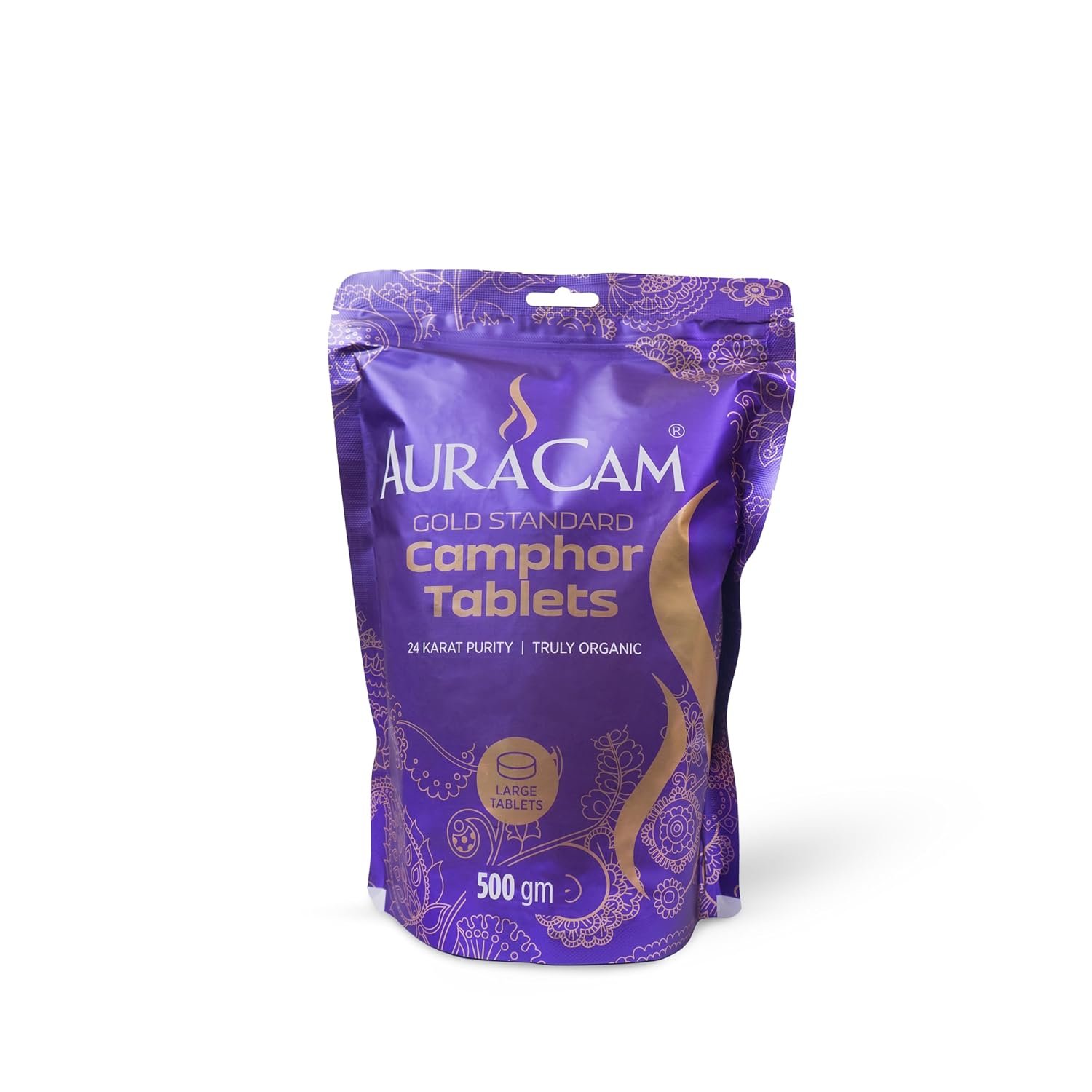
Natural camphor – specifically Bhimseni camphor – has been purifying and scenting Indian homes for centuries. Today, paired with modern diffuser design and multi-fragrance pod technology, it is more practical and accessible than ever. Explore AuraCam’s natural camphor pod collection or browse AuraCam’s premium camphor diffusers to see how tradition and contemporary home wellness come together in a single, chemical-free product.
What Is a Camphor Air Freshener and How Does It Work at Home?
Camphor air freshener home products work through a process called sublimation – the same natural property that made camphor a household staple for generations. Unlike liquid sprays that disperse synthetic compounds into the air and settle on surfaces, camphor transitions directly from solid to vapour at room temperature, releasing pure aromatic terpene molecules that diffuse gently and evenly through any space.
This sublimation process means there are no propellants, no aerosol particles, no alcohol carriers, and no microplastic residue. The fragrance release is gradual and long-lasting – typically 8–12 hours per pod in a ventilated room – rather than the sharp, short burst characteristic of chemical air fresheners.
Modern camphor air freshener products come in two primary formats for home use:
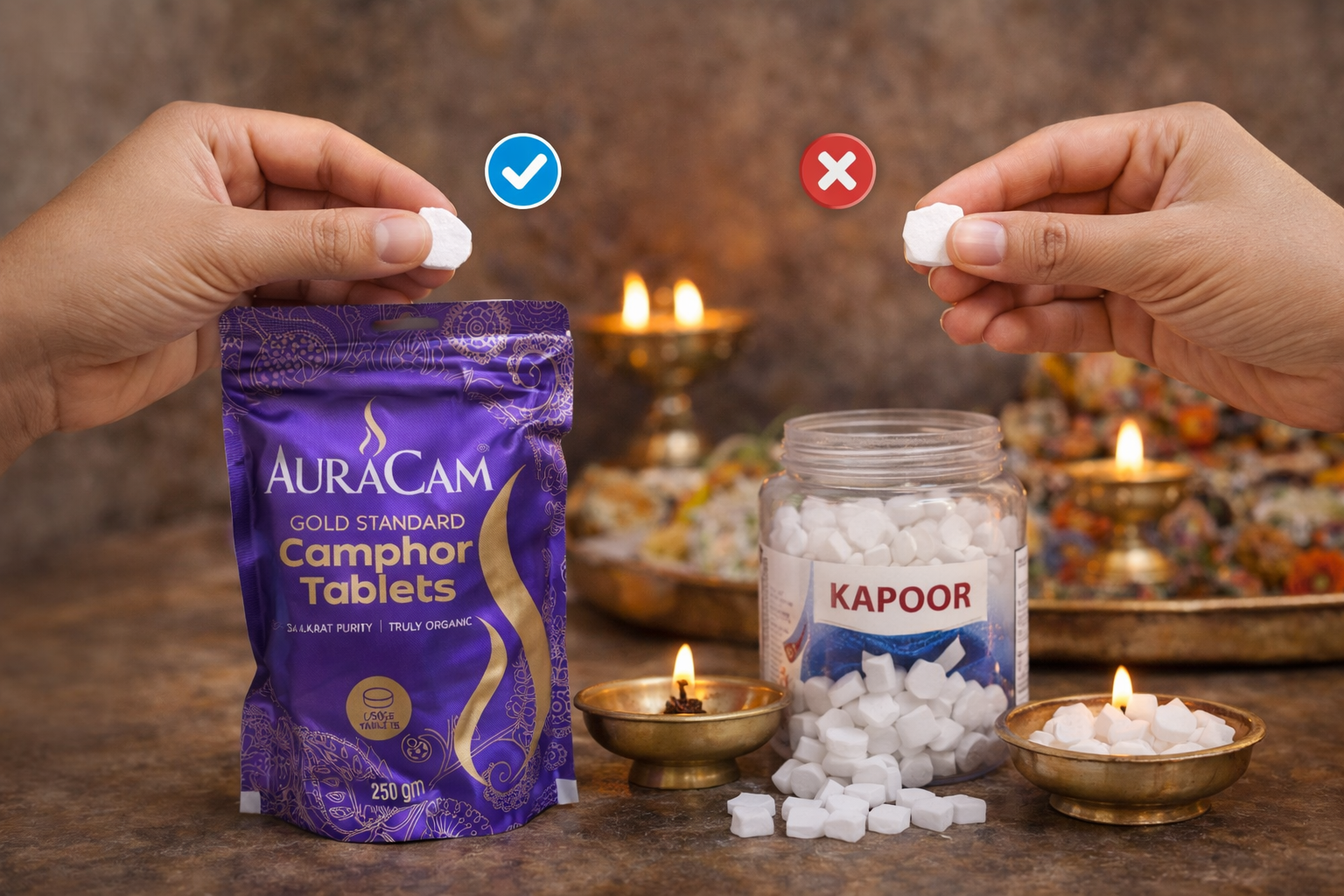
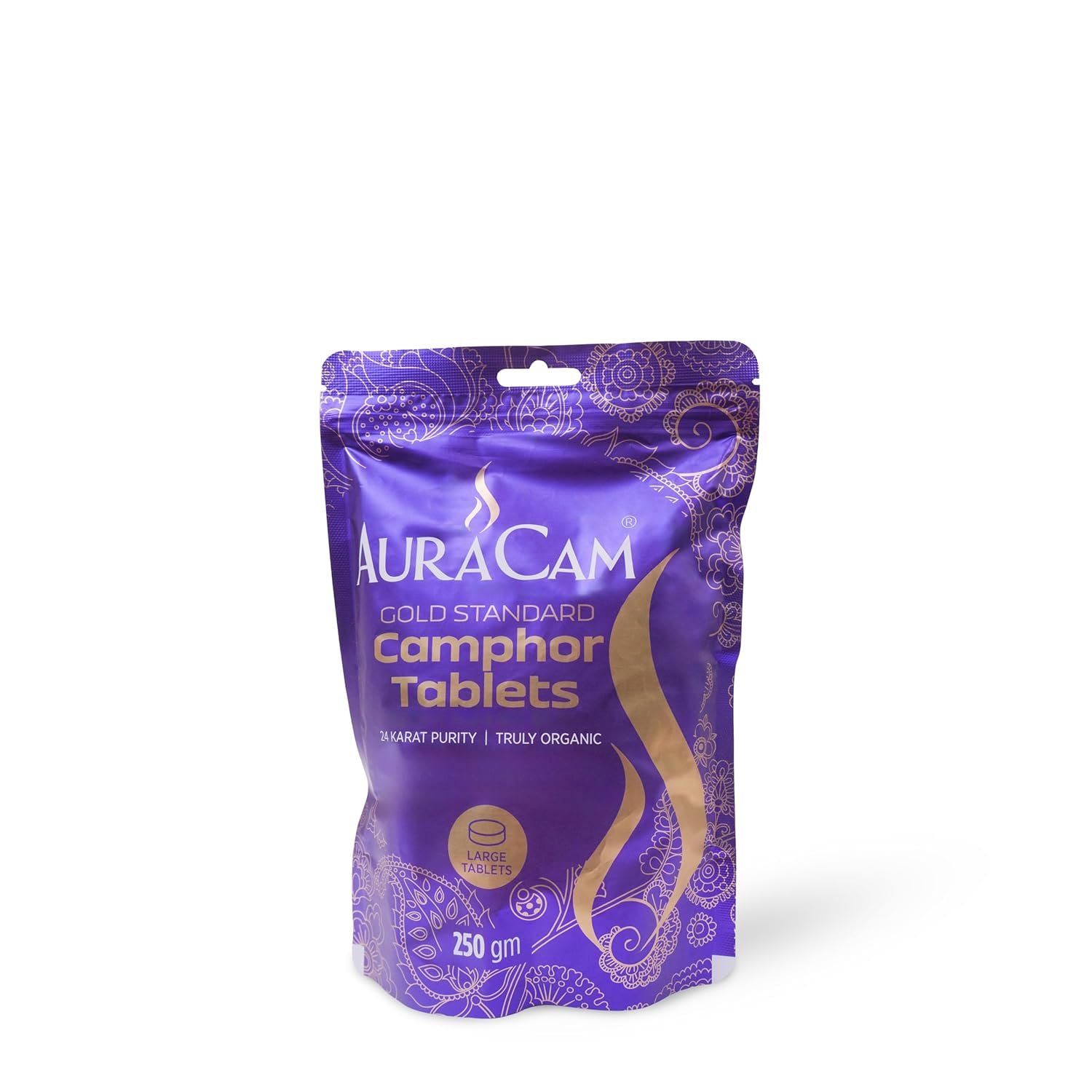
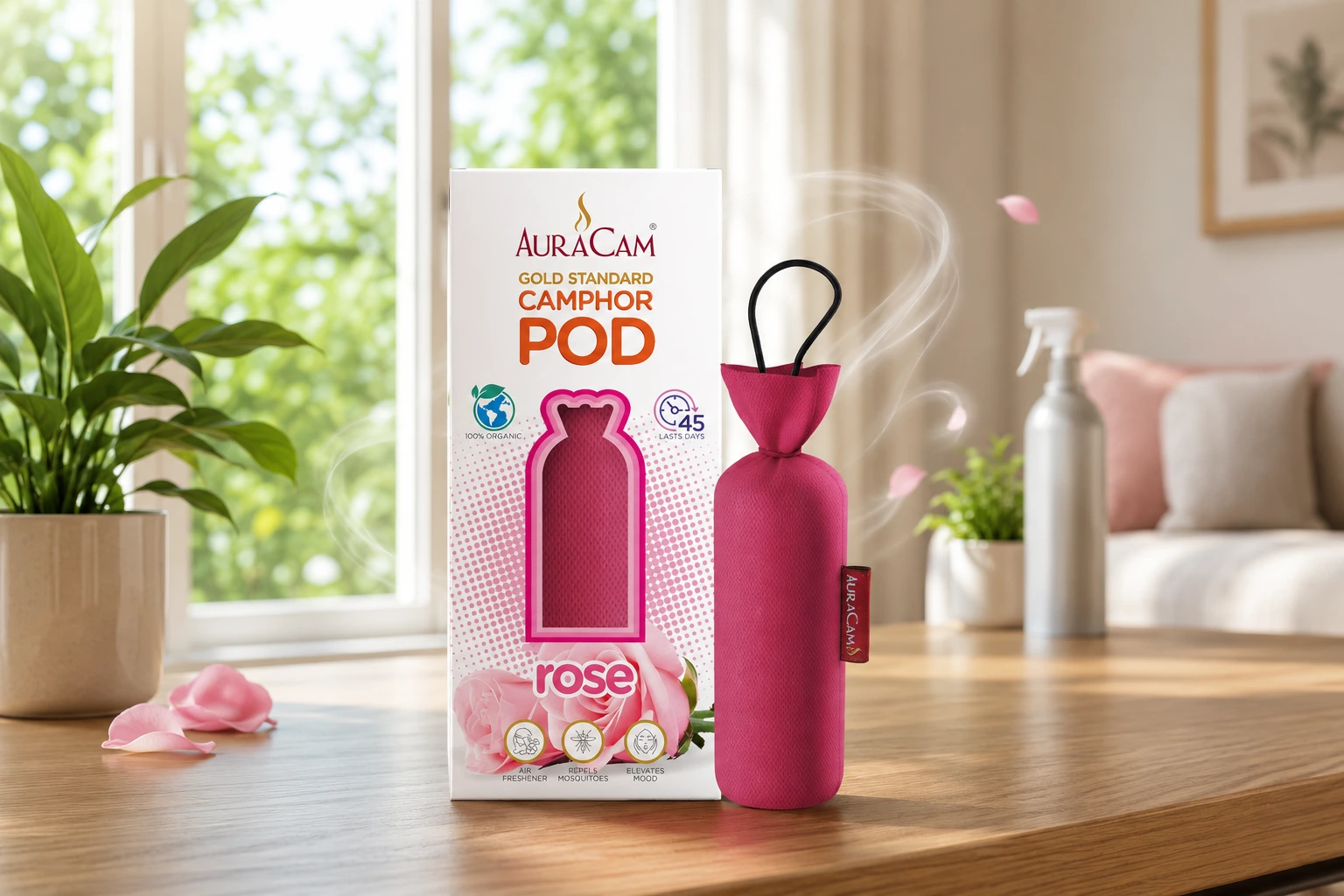
- Camphor pods or tablets: placed in a purpose-designed holder or diffuser tray, these release fragrance passively through sublimation – no heat or electricity required for basic use
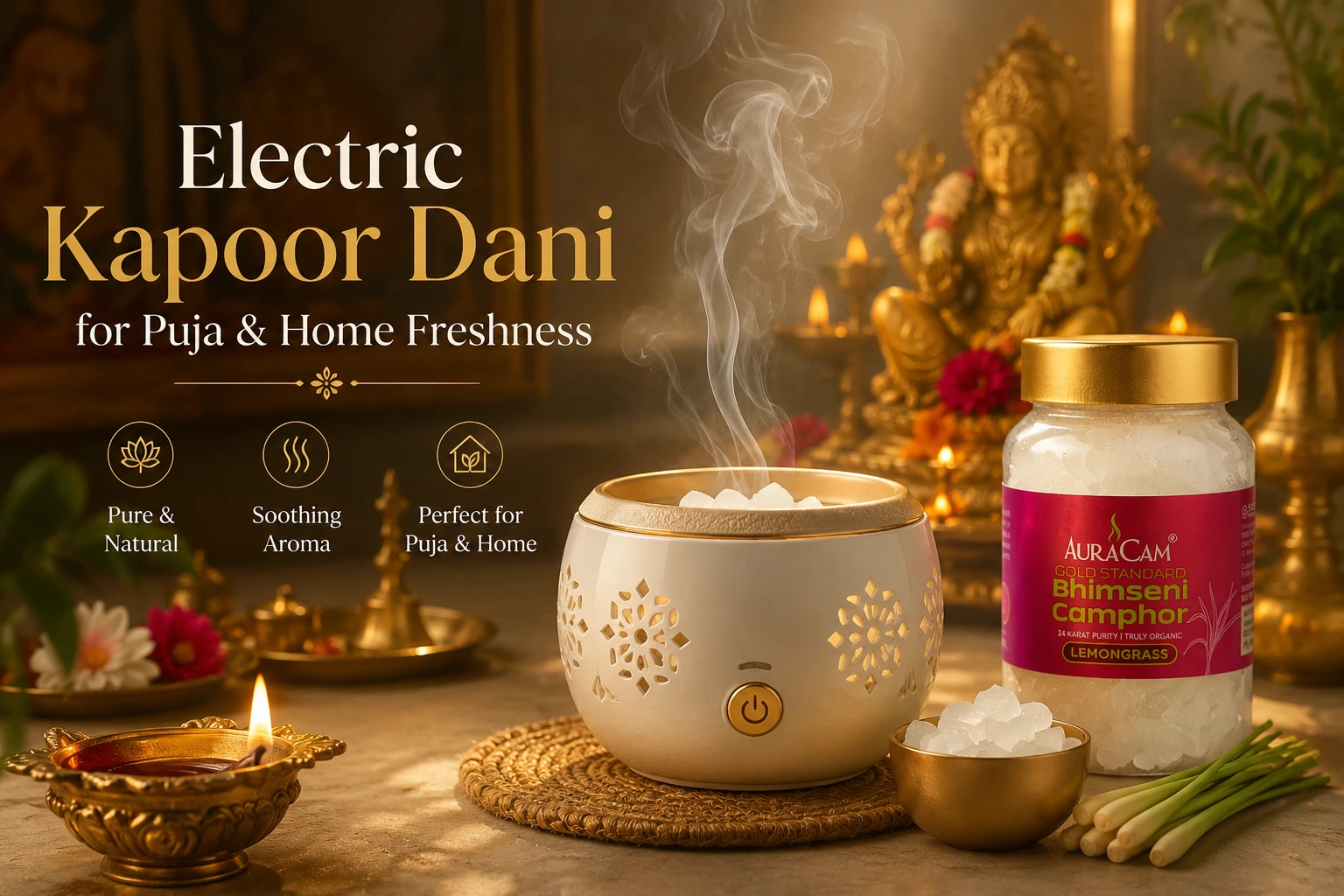
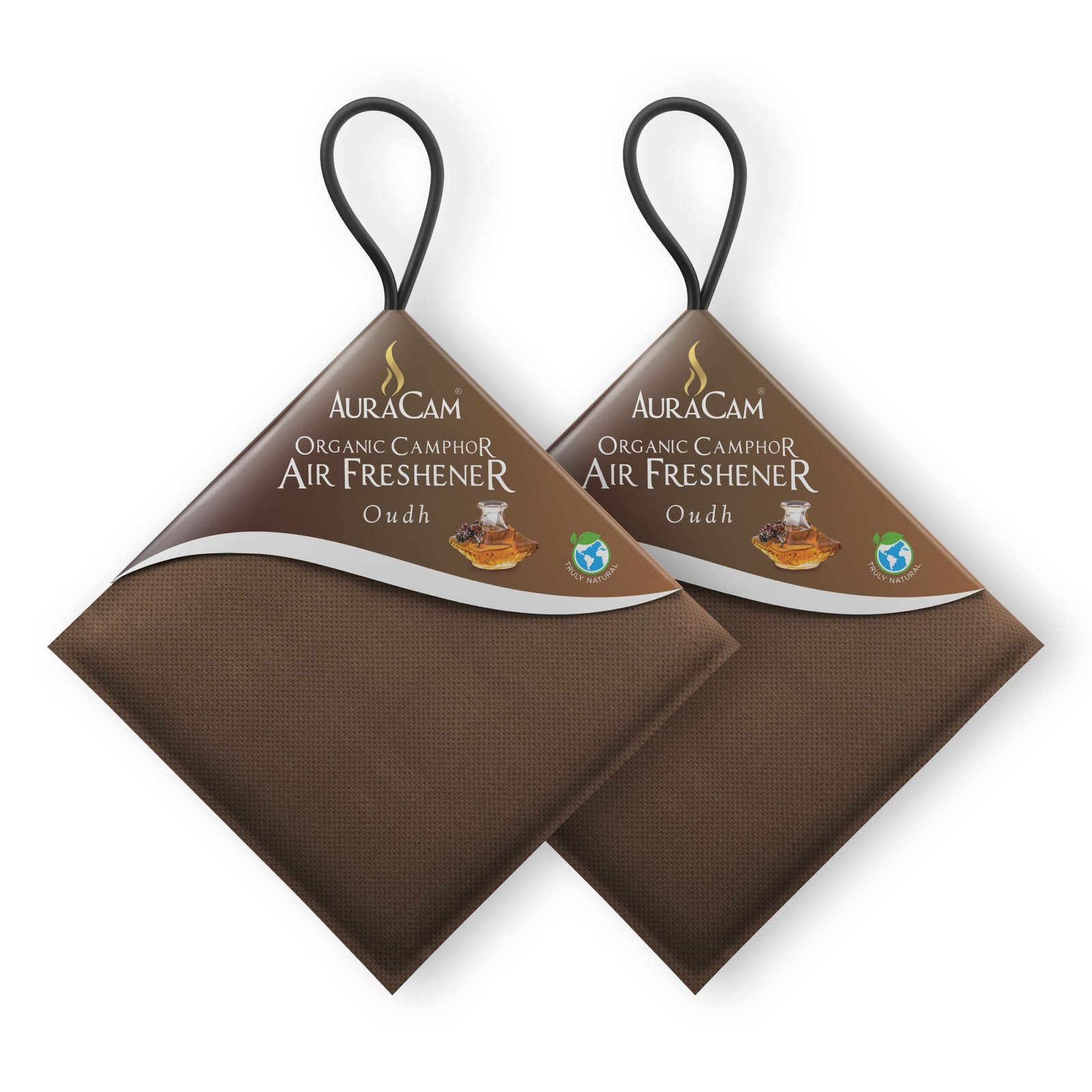
- Electric and oil-warm camphor diffusers: a low-heat element gently accelerates sublimation for faster, more even fragrance distribution across larger rooms
- Wax-melt style camphor infusion discs: a newer format combining Bhimseni camphor with botanical wax for a slow-release, ambient fragrance experience
Why Is Camphor Better Than Chemical Air Freshener Sprays for Indian Homes?
Natural air freshener India camphor users consistently report a more grounded, less synthetic scent experience compared to conventional aerosol sprays – and the science increasingly supports this preference. A 2026 toxicology review published by the National Institute of Occupational Health (NIOH), Ahmedabad, identified over 130 volatile organic compounds (VOCs) routinely present in popular Indian synthetic room fresheners, including formaldehyde, benzene derivatives, and synthetic musk compounds.
These compounds are linked to respiratory irritation, headache, and – with chronic exposure – disruption of the endocrine system. In Indian homes where windows are often kept closed due to noise, pollution, or air conditioning, VOC concentrations from synthetic fresheners build up far more rapidly than in naturally ventilated spaces.
Natural camphor, by contrast, releases primarily borneol, camphene, and related terpene compounds that have been studied extensively in Ayurvedic and pharmacological literature for their antimicrobial, antifungal, and respiratory-supportive properties.
Head-to-Head: Natural Camphor vs Chemical Air Freshener Sprays
- Ingredients: natural camphor – botanical terpenes; chemical spray – synthetic VOCs, propellants, artificial fragrance compounds
- Duration: camphor pod – 8–12 hours passive, 12–24 hours with diffuser; aerosol spray – 15–45 minutes before dissipation
- Residue: camphor – no surface residue; aerosol – fine chemical film on surfaces, furniture, and soft furnishings
- Health profile: camphor – antimicrobial, respiratory-supportive in ventilated spaces; aerosol – associated with VOC exposure and respiratory irritation
- Eco-footprint: camphor – biodegradable, botanical-sourced, minimal packaging waste; aerosol – pressurised canister, non-recyclable in most Indian municipalities
- Cost over time: camphor pod set at ₹120–₹280 for 30–50 pods outlast 4–6 aerosol cans at ₹150–₹250 each
According to AuraCam’s 2026 India market insights, households that switched from aerosol sprays to natural camphor diffuser systems reported a 40–60% reduction in monthly home fragrance spend while rating fragrance satisfaction higher – largely because camphor’s multi-fragrance pod options allow personalisation that a single-scent aerosol cannot match.
Which Rooms in an Indian Home Benefit Most from a Camphor Air Freshener?
Camphor air freshener home placement makes a significant difference in effectiveness. Unlike aerosol sprays that are typically used in a single burst wherever the odour is strongest, camphor diffusers and pods work best when placed strategically to leverage natural air circulation.
Pooja Room and Prayer Corner
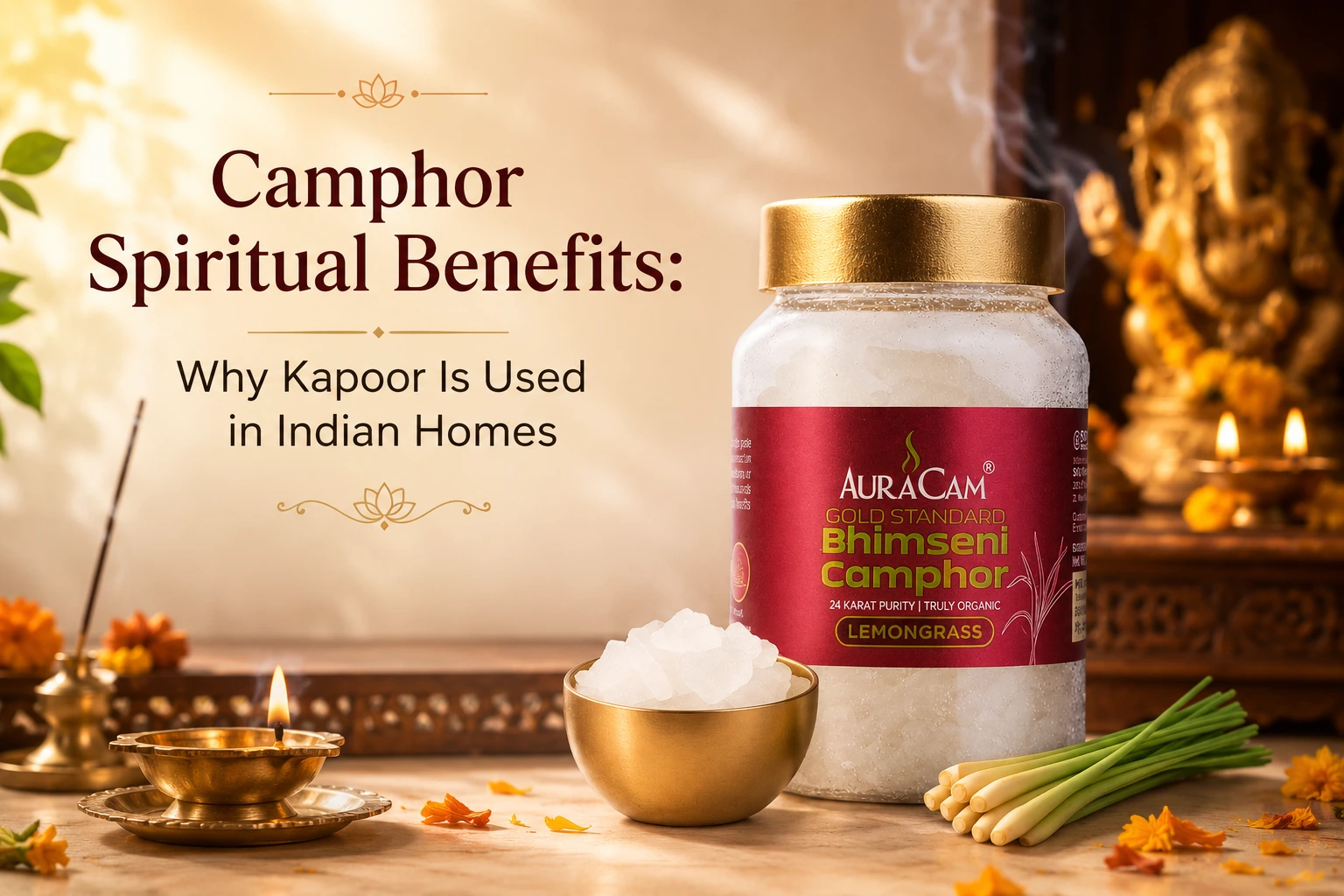
This is the most intuitive and culturally resonant placement. Burning camphor during morning and evening aarti has deep roots in Hindu, Jain, and Sikh worship traditions. Beyond ritual significance, camphor’s natural terpene vapours help maintain a clean, sanctified atmosphere in a room that typically sees incense and oil lamp use – both of which can leave residual smoky odours between rituals.
Bedroom and Living Room
In bedrooms, a low-fragrance camphor pod like white lotus or lavender-infused Bhimseni camphor placed near the window creates a calming aromatic backdrop without the overpowering headiness of synthetic fresheners. In the living room, a decorative camphor diffuser serves dual purpose as an aesthetic object and a continuous, subtle room freshener – particularly effective during the Indian monsoon season when enclosed rooms tend to develop damp, musty odours.
Kitchen and Bathroom
A common question from Indian households is whether camphor can address the strong cooking odours – spice, garlic, and fish – that permeate kitchens. The answer is a qualified yes: camphor’s natural antimicrobial action addresses the bacterial sources of lingering kitchen odours, while its aromatic properties mask remaining smells. For bathrooms, a small camphor pod in the ventilation area is a highly effective and economical alternative to plug-in synthetic fresheners, which typically cost ₹180–₹350 per refill in 2026.
Car and Compact Spaces
Natural air freshener India camphor adoption in cars is a fast-growing use case in Indian cities. A small camphor pod holder placed near the car’s air vent delivers continuous fragrance without the synthetic headache-inducing intensity of hanging tree fresheners or vent clip products. This is especially popular for daily commuters in cities like Mumbai, Delhi, and Bengaluru where long commute times make pleasant in-car fragrance a daily quality-of-life issue.
What Are the Aromatherapy and Wellness Benefits of Camphor as a Home Air Freshener?
Natural air freshener India camphor products offer health and wellness benefits that extend well beyond simple odour masking – a distinction that matters increasingly to India’s growing wellness-conscious consumer base. The global aromatherapy market is projected to reach USD 4.3 billion by 2027, with India emerging as one of the fastest-growing markets according to Grand View Research’s 2026 Aromatherapy Industry Outlook.
In Ayurvedic medicine, camphor (karpoor) is classified as having sheeta virya (cooling potency) and has been used for centuries to address respiratory congestion, mental fatigue, and sluggish circulation. Modern pharmacological studies, including a 2025 review in the Journal of Ethnopharmacology, have confirmed the antimicrobial and antifungal activity of camphor vapour against common household pathogens including Staphylococcus aureus and Candida albicans.
Key wellness benefits of using natural Bhimseni camphor as a home air freshener:
- Respiratory support: terpene vapours gently open nasal passages – particularly beneficial during India’s dry winter months and high-pollution days
- Antimicrobial air action: camphor vapour has documented activity against common airborne bacteria and mould spores
- Mental clarity and focus: used in aromatherapy for its stimulating effect on alertness – a reason camphor has historically been placed in study and meditation spaces
- Stress reduction: floral-infused Bhimseni camphor blends (rose, jasmine, mogra) have calming properties documented in phytotherapy research
- Sleep quality: low-intensity camphor fragrance in the bedroom has been reported to ease mild anxiety and improve sleep onset in several small-scale Indian wellness studies
At Auracam, we craft our camphor pod range with precisely this wellness dimension in mind – matching each fragrance variant to a specific mood and purpose so that users can move beyond ‘room freshener’ and into intentional, daily aromatherapy.
How Do You Use a Camphor Pod or Diffuser as a Home Air Freshener?
Camphor air freshener home use is simpler than most people expect. Whether you choose passive sublimation pods or an electric diffuser, the setup takes under two minutes and requires no refilling chemicals, no spray technique, and no worry about over-application.
Passive Pod Method (No Electricity Required)
- Place 1–2 camphor pods in an open decorative holder, mesh dish, or purpose-designed camphor tray
- Position near a window, fan, or natural air current for maximum fragrance distribution
- Replace pods when fragrance reduces – typically every 8–12 hours in an open, ventilated room
- Store unused pods in an airtight container to prevent premature sublimation
Electric Diffuser Method
- Place 1 camphor pod on the diffuser’s warming tray or bowl
- Set to low or medium heat for sustained, even fragrance – avoid high heat which can scorch the pod and alter the aroma
- Ideal for rooms over 200 sq ft or for air-conditioned spaces where passive sublimation is slower
- A single pod lasts 4–6 hours on gentle heat setting in a medium-sized Indian bedroom or living room
AuraCam’s authentic Bhimseni camphor ensures that every pod is precision-moulded to deliver consistent fragrance intensity from first use to last – no uneven burn, no sudden scent drop-off. Browse the full range of camphor pods for home use and pair them with AuraCam’s designed camphor diffusers for a complete natural home fragrance system.
What Does a Natural Camphor Home Air Freshener Cost in India in 2026?
Natural air freshener India camphor products are not only more effective and healthier than chemical sprays – they are also significantly more economical over a 3–6 month horizon. Here is a realistic 2026 pricing comparison for Indian consumers:
Camphor Pod Options - 2026 Price Guide
- Single-fragrance camphor pod set (30 pods): ₹120–₹180
- Multi-fragrance camphor pod set (3 fragrances, 30 pods): ₹220–₹320
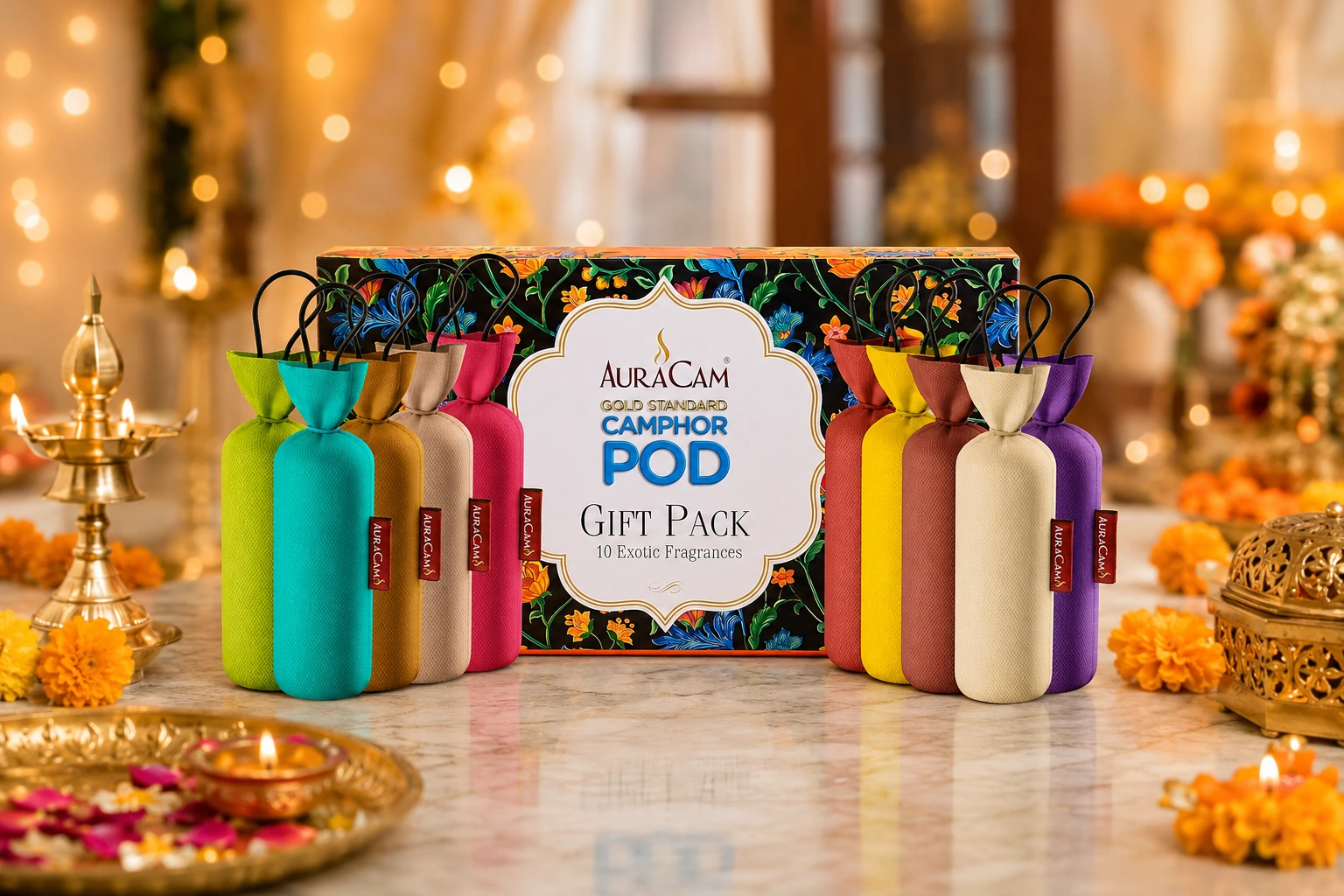
- Premium 10-fragrance camphor pod gift set: ₹799–₹1,299
- Bulk camphor pod supply (100 pods, single fragrance): ₹320–₹480
- Refill pack for regular users (50 pods, mixed): ₹180–₹260
Camphor Diffuser Options - 2026 Price Guide
- Passive decorative camphor holder (terracotta or brass): ₹199–₹599
- Electric camphor diffuser (basic low-heat tray): ₹399–₹799
- Premium electric camphor diffuser with timer and intensity control: ₹999–₹1,899
- Combo starter kit (diffuser + 30-pod multi-fragrance set): ₹649–₹1,199
By comparison, a single 220ml aerosol room freshener in India costs ₹150–₹250 in 2026 and lasts approximately 250–300 sprays – or roughly 3–4 weeks with typical daily use. A 30-pod natural camphor set at ₹150 lasts a comparable household 4–6 weeks with daily use and without the VOC exposure, non-recyclable canister waste, or declining effectiveness as the can empties.
Why Is Camphor the Eco-Friendly Air Freshener Choice for Indian Homes in 2026?
Camphor air freshener home adoption is part of a broader Indian consumer movement toward sustainable household products. A 2026 Nielsen India Sustainability Report found that 61% of urban Indian shoppers have reduced their purchase of aerosol products in the past two years, citing environmental concerns about pressurised canister disposal, VOC emissions, and plastic packaging waste.
Natural Bhimseni camphor is inherently eco-aligned: it is derived from a renewable botanical source, biodegrades completely, produces no microplastic by-products, and – when packaged responsibly – generates minimal waste. The camphor holder or diffuser is a durable, reusable product that eliminates the single-use cycle inherent in aerosol or plug-in freshener formats.
At Auracam, we craft our pod packaging from recyclable materials with no single-use plastic inner liners, and our diffusers are designed for decades of use – not planned obsolescence. For Indian households working toward a lower environmental footprint, camphor-based home fragrance is one of the simplest, most practical switches available.
Conclusion: It Is Time to Rethink What 'Fresh Air' Means at Home
Camphor air freshener home choices in 2026 are no longer limited to synthetic sprays that mask odours with chemicals and leave a trail of VOCs in your family’s air. Natural Bhimseni camphor offers everything a modern Indian household needs from a home fragrance product: genuine air-purifying properties, long-lasting and customisable aromas, deep cultural and spiritual resonance, and a total cost of ownership that outperforms chemical alternatives by a significant margin.
The evidence is clear, the economics work, and the tradition is already there. All that remains is making the switch.
Discover AuraCam’s full range of natural camphor pods for every room in your home and explore AuraCam’s camphor diffuser collection to build a complete, chemical-free home fragrance system rooted in the world’s oldest air-purification tradition.
Frequently Asked Questions: Camphor as a Home Air Freshener
Q1. Can I use camphor as an air freshener every day at home?
Answer: Yes, natural Bhimseni camphor is safe for daily home use when placed in a well-ventilated room. Use 1–2 pods per room per day for a mild, continuous fragrance effect. Avoid using camphor in completely sealed, unventilated rooms, and keep it away from infants under 2 years and individuals with severe asthma or neurological sensitivity to strong aromas.
Q2. How long does a camphor pod last as a home air freshener?
Answer: A single natural camphor pod lasts approximately 8–12 hours in a passively ventilated room through natural sublimation. In an electric diffuser set to low heat, the same pod will last 4–6 hours with a more even, distributed fragrance release. Storage in an airtight container when not in use significantly extends overall shelf life.
Q3. Which camphor fragrance is best for bedroom use?
Answer: For bedroom use, calming and gentle fragrance profiles work best – white lotus, lavender-infused Bhimseni camphor, and rose are the most popular choices among Indian consumers in 2026. Avoid strongly stimulating fragrances like eucalyptus or mint in the bedroom, as these are better suited to workspaces or meditation rooms where alertness is the goal.
Q4. Is camphor better than plug-in room fresheners for Indian homes?
Answer: In most respects, yes. Natural camphor produces no electricity cost (for passive pod use), no synthetic VOC emissions, no disposable plastic refill waste, and no risk of the allergic reactions associated with synthetic fragrance compounds in plug-in devices. A camphor pod set at ₹150–₹280 also lasts longer and costs less per hour of fragrance than most plug-in refill units priced at ₹180–₹350 in 2026.
Q5. Can camphor help with damp and musty smells during the monsoon in India?
Answer: Yes, this is one of camphor’s most practically useful properties in the Indian context. Camphor vapour has documented antifungal activity and helps inhibit the mould and mildew growth that causes musty monsoon odours in Indian homes. Placing camphor pods in cupboards, shoe racks, and humid corners during the monsoon season is a traditional and scientifically supported practice.
Q6. Where can I buy natural camphor pods and diffusers online in India?
Answer: You can buy certified natural Bhimseni camphor pods and purpose-designed camphor diffusers directly from AuraCam’s camphor pod range and AuraCam’s camphor diffuser collection online, with pan-India delivery. All products use lab-certified pure Bhimseni camphor, responsibly sourced and packaged without single-use plastic – the trusted choice for Indian homes, temples, and wellness practitioners in 2026.