Step into any well-stocked pooja store in India today, and you’ll likely spot two jars sitting side by side – one labelled “Afghani Loban” and another simply marked “Loban.” For most shoppers, the distinction feels confusing. Are they the same resin with different names, or genuinely different products?
Afghani Loban has become one of the most searched ritual resins in India in 2026, as consumers grow more curious about sourcing, purity, and the subtle differences between resin grades. If you’re planning to stock up for your home shrine, temple, or retail counter, understanding what actually separates Afghani Loban from regular loban can help you choose the right product for your ritual and budget – and you can explore Auracam’s curated loban collection to compare grades side by side.
This guide breaks down the botanical origins, aroma profiles, pricing, and practical uses of both resin types, so you never have to guess again.
What is loban and why is it used in Indian rituals?
Loban, also known as gum benzoin or sambrani, is a fragrant balsamic resin traditionally burned during Hindu, Sikh, and Jain rituals across India. It is derived from the bark of trees in the Styrax genus, and its name traces back to the Arabic term luban jawi, meaning “frankincense of Java.”
Loban has been used for centuries in Ayurvedic fumigation practices, temple aartis, and household dhuni rituals, valued for its sweet, vanilla-like fragrance and its association with spiritual purification. India’s incense and resin category – spanning agarbatti, dhoop, and loban – is a genuinely large market: the agarbatti and dhoop segment alone was valued at roughly USD 1.3 billion in 2025 and is projected to keep growing at a steady mid-single-digit pace through the next decade, driven by rising wellness rituals and premiumisation trends.
Loban is not classified as a single, uniform product. Depending on origin, resin blend, and processing, buyers encounter multiple grades – and this is exactly where the “Afghani” versus “regular” distinction comes in.
What is Afghani Loban specifically?
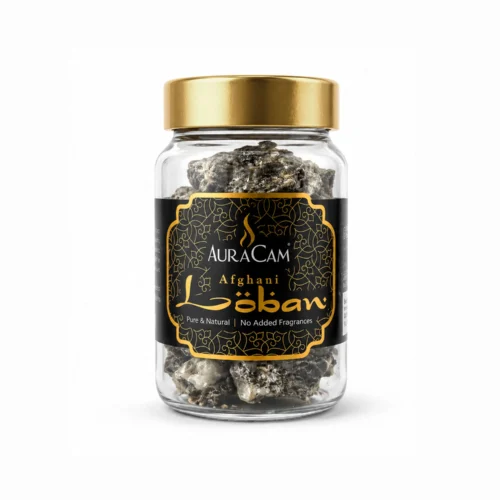
Afghani Loban refers to a specific, premium grade of benzoin-based resin traditionally associated with sourcing routes through Afghanistan and neighbouring regions, known for producing a richer, more golden-hued resin with a deeper, warmer aroma profile.
How is Afghani Loban different in aroma and texture?
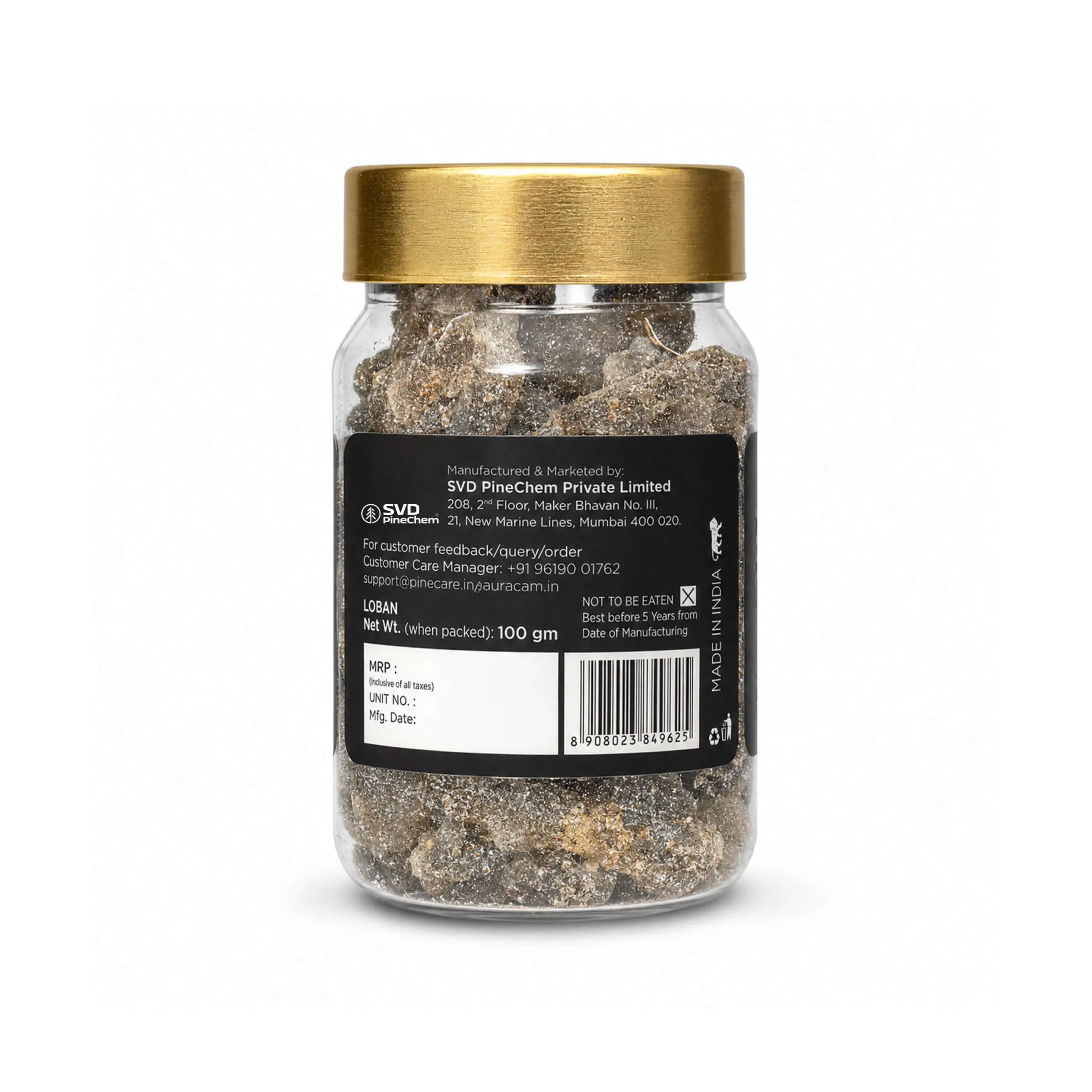
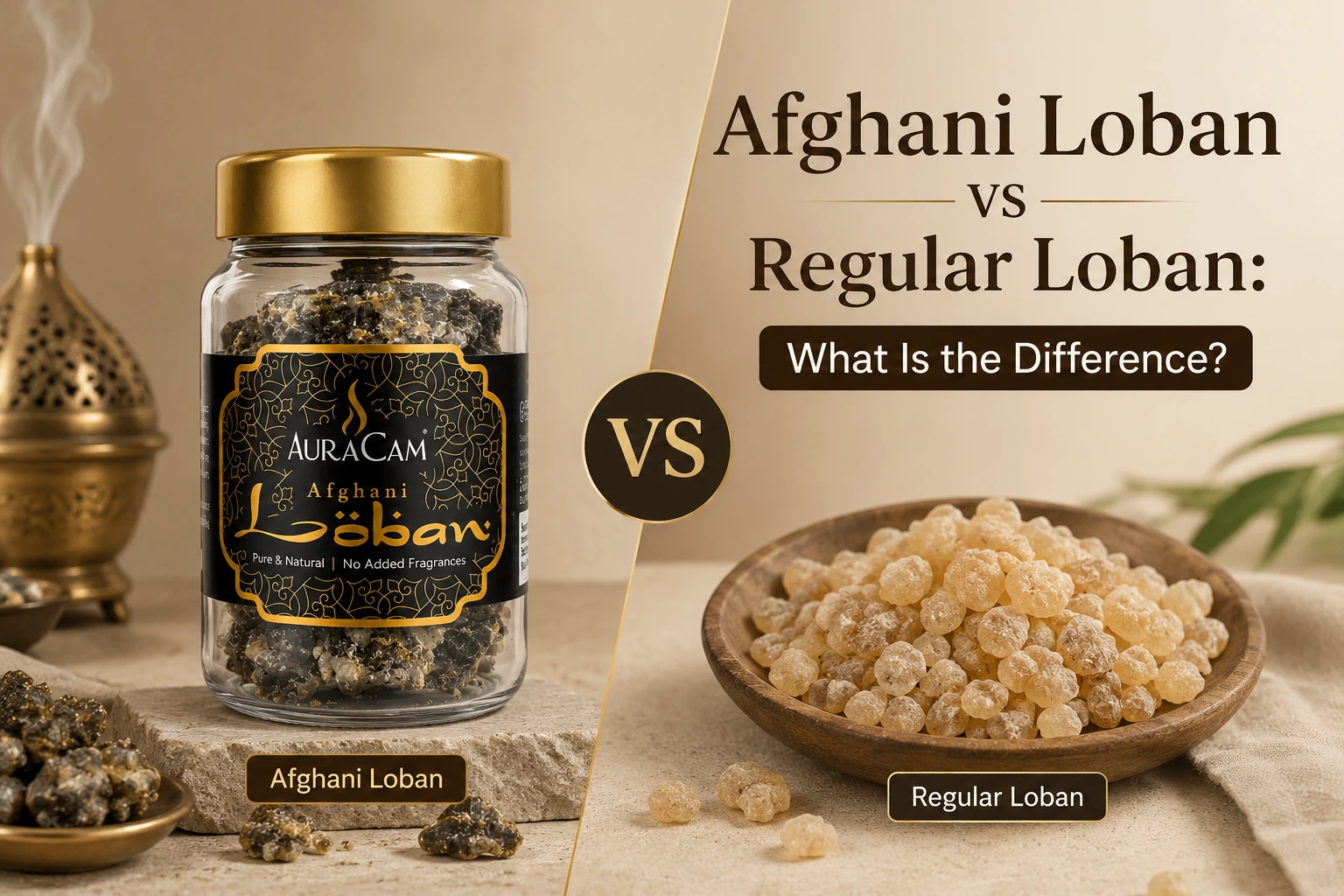
Afghani Loban typically presents as larger, glossier, golden-brown chunks with a stronger, more resinous and grounding fragrance compared to standard loban. Regular loban, by contrast, often has a lighter, sweeter, more straightforwardly vanilla-like scent and can appear as smaller, paler granules or blocks.
- Afghani Loban: deep golden-brown, slow-burning, warm and grounding aroma
- Regular Loban: lighter in colour, faster-burning, sweeter and milder aroma
Why do buyers consider Afghani Loban a premium grade?
Afghani Loban is often positioned as a premium grade because of its slower, longer-lasting burn and its association with traditional dhuni and deep meditation practices, where a more intense, lingering fragrance is preferred. This premium positioning is reflected in pricing, packaging, and the way it’s marketed to serious ritual practitioners, ashrams, and temple trusts.
Afghani Loban vs Regular Loban: Key Differences at a Glance
Feature | Afghani Loban | Regular Loban |
Resin appearance | Larger, golden-brown, glossy chunks | Smaller granules or pale blocks |
Aroma intensity | Deep, warm, long-lasting | Milder, sweeter, quicker to fade |
Burn duration | Slower, more sustained | Faster burning |
Typical use case | Dhuni rituals, deep meditation, temple ceremonies | Daily household aarti, general pooja use |
Price positioning | Premium | Standard/economical |
How much do Afghani Loban and regular loban cost in India in 2026?
Pricing varies by resin grade, purity, and pack size. Based on realistic 2026 Indian market estimates for premium natural resin products, here’s what buyers can generally expect:
- Regular Loban (50g pack) – approximately ₹90–₹140
- Regular Loban (100g pack) – approximately ₹160–₹230
- Afghani Loban (50g pack) – approximately ₹180–₹250
- Afghani Loban (100g pack) – approximately ₹340–₹420
- Temple/bulk pack (500g, either grade) – approximately ₹1,400–₹2,200 depending on grade
- Wholesale cartons (5kg+) for retailers and temple trusts – custom pricing typically ranging ₹14,000–₹19,000 per 5kg, with additional discounts on recurring monthly orders
At Auracam, we craft transparent pricing tiers for both grades so households, temples, and retailers can choose based on ritual intensity and budget, without ever compromising on authenticity.
How does Auracam ensure premium quality Afghani Loban?
Auracam’s authentic Bhimseni camphor and loban range ensures every batch undergoes strict sourcing and quality verification before reaching customers. Given how frequently resin products are diluted with synthetic fillers, colourants, or low-grade tree gums, sourcing transparency matters enormously in this category.
Here’s what Auracam prioritises across its loban range:
- Verified resin sourcing to avoid synthetic blends and fillers
- Sealed, moisture-resistant packaging to preserve aroma and prevent premature drying
- Separate grading for Afghani and regular loban, so customers know exactly what they’re buying
- Consistent bulk supply for temples and premium retailers requiring recurring monthly orders
According to Auracam’s 2026 India market insights, customers – especially in metro cities – are increasingly asking specific questions before purchase: where the resin is sourced, whether it’s tested for purity, and whether the packaging protects against moisture during India’s humid monsoon months.
Which one should you choose - Afghani Loban or regular Loban?
The right choice depends largely on your ritual routine, budget, and how frequently you burn resin at home or in your temple space.
When should you choose Afghani Loban?
Choose Afghani Loban if you practice deeper meditation rituals, dhuni ceremonies, or prefer a stronger, longer-lasting fragrance for special occasions, festivals, or temple functions where a more intense atmosphere is desired.
When is regular loban the better choice?
Regular loban works well for daily household aarti, quick pooja rituals, or when you’re burning resin frequently and want a lighter, more economical option that still delivers genuine spiritual and aromatic benefits.
Can you use both grades together?
Yes, many households and temples keep both grades on hand – regular loban for daily use and Afghani Loban reserved for special occasions, festivals like Diwali and Navratri, or significant temple ceremonies.
What trends are shaping loban and resin buying in India in 2026?
India’s ritual products market continues to shift toward premiumisation and traceability, and loban is very much part of this movement.
Why are urban Indian consumers upgrading to premium resin grades?
As disposable incomes rise and spiritual wellness becomes part of mainstream self-care routines, urban consumers are increasingly willing to pay more for verified, premium-grade resins rather than defaulting to the cheapest option at the local store. This mirrors the broader trend across India’s religious and spiritual products market, where premium, branded goods are steadily gaining share from unorganised, unbranded sellers.
How is eco-conscious sourcing influencing resin purchases?
Eco-conscious sourcing is becoming a genuine purchase driver, not just a marketing add-on. Auracam’s authentic Bhimseni camphor and loban products are sourced with an emphasis on sustainability and traceability, appealing directly to India’s growing base of environmentally aware, urban and semi-urban consumers who want ritual products that align with their values.
Is online shopping changing how Indians buy loban?
Yes. E-commerce has made it significantly easier for consumers outside metro areas to access properly graded, authentically sourced Afghani Loban rather than relying on local markets where mislabelling is common. This shift is also helping premium brands build direct relationships with temple trusts and retailers across smaller cities.
How should you store and burn loban safely at home?
- Store loban resin in an airtight container away from heat and direct sunlight
- Burn on a charcoal disc or heat-safe dhuni pot, never directly on an open flame without a burner
- Use in a well-ventilated space, especially when burning Afghani Loban, given its stronger smoke
- Keep away from children and pets
- Avoid inhaling concentrated smoke directly at close range
People Also Ask: Quick Answers About Afghani Loban
Is Afghani Loban stronger than regular loban?
Yes, Afghani Loban generally has a deeper, more intense, and longer-lasting aroma compared to the milder scent of regular loban.
Is Afghani Loban more expensive than regular loban?
Yes, Afghani Loban is typically priced higher due to its premium grading, slower burn rate, and stronger fragrance profile.
Can Afghani Loban be used for daily pooja?
Yes, though many households reserve it for special occasions or deeper meditation practices, while using regular loban for everyday rituals.
Is loban the same as camphor?
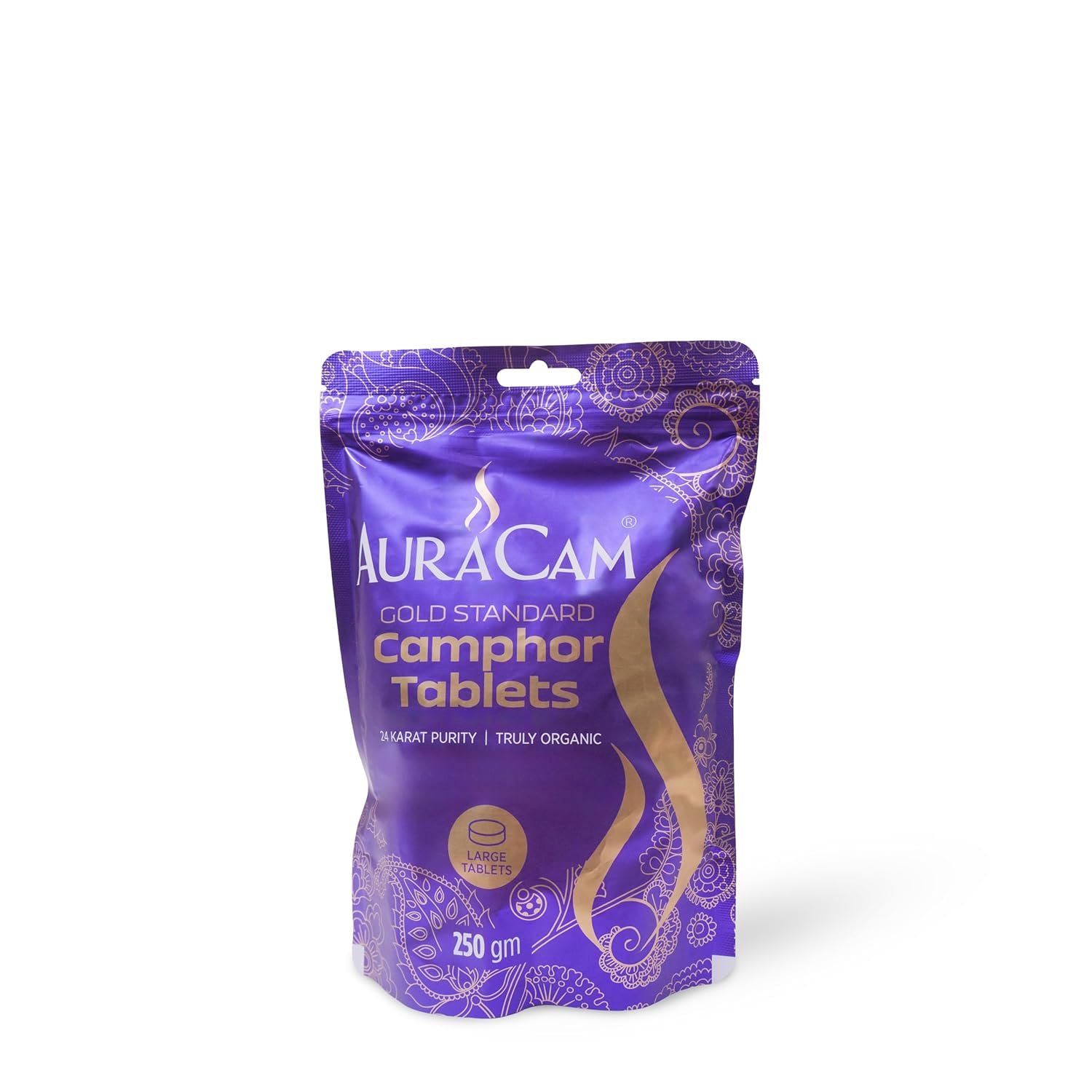
No. Loban is a benzoin-based resin burned on charcoal or a dhuni pot, while Bhimseni camphor is a naturally derived crystalline substance burned directly, typically during aarti.
How can I tell if my Afghani Loban is authentic?
Genuine Afghani Loban has a golden-brown, glossy resin texture and a warm, deep fragrance, whereas synthetic or diluted versions often smell sharper, chemical-like, or fade quickly when burned.
Choosing Authentic Resin for a More Meaningful Ritual
Whether you choose Afghani Loban for its deep, grounding aroma or regular loban for everyday simplicity, the most important factor remains authenticity. As India’s spiritual products market continues to grow and premiumise through 2026 and beyond, knowing exactly what you’re burning – and where it comes from – matters more than ever.
Auracam remains committed to offering clearly graded, transparently sourced loban and camphor products for Indian households, temples, and premium retailers alike. Every resin batch is chosen to help you build a ritual practice rooted in genuine tradition, not guesswork.