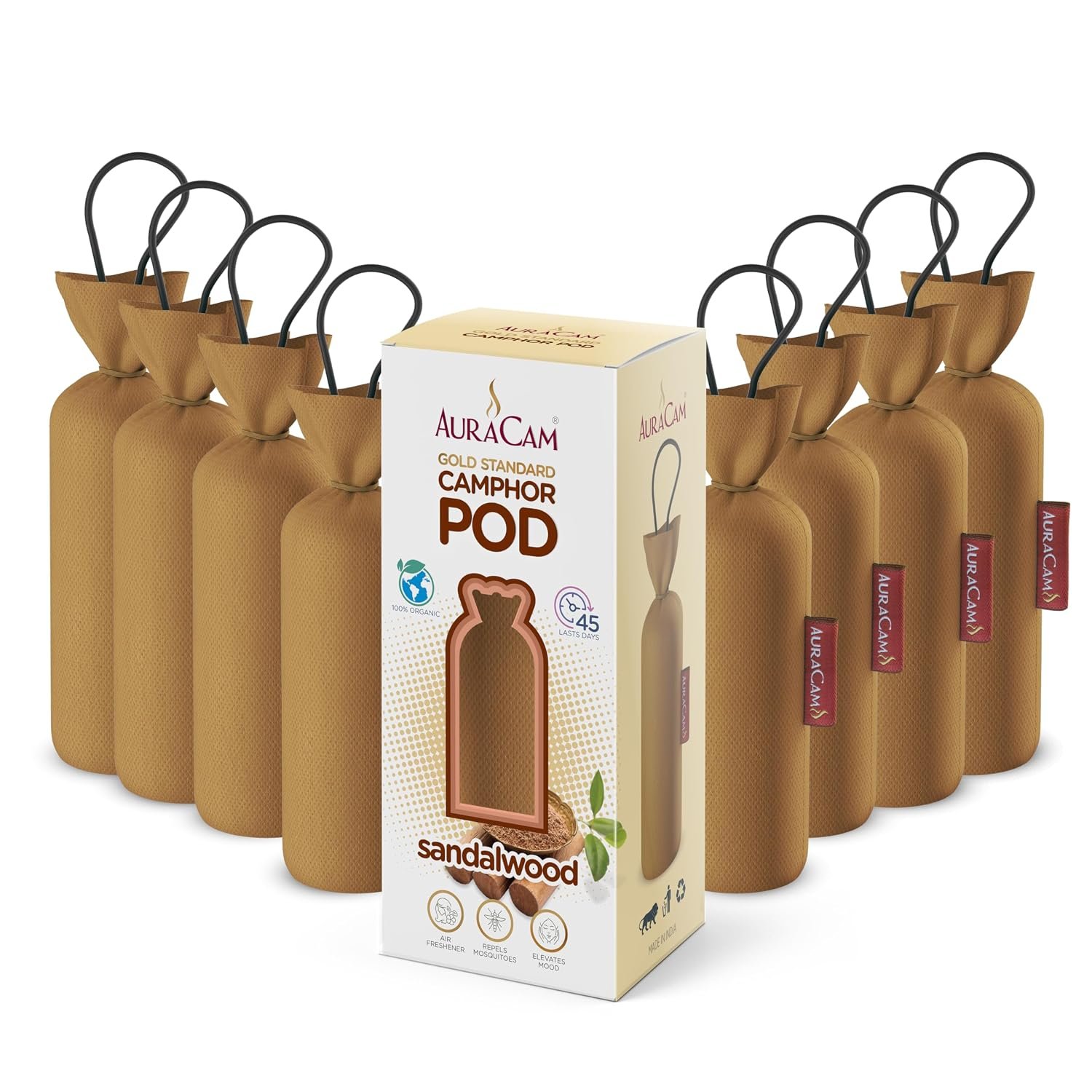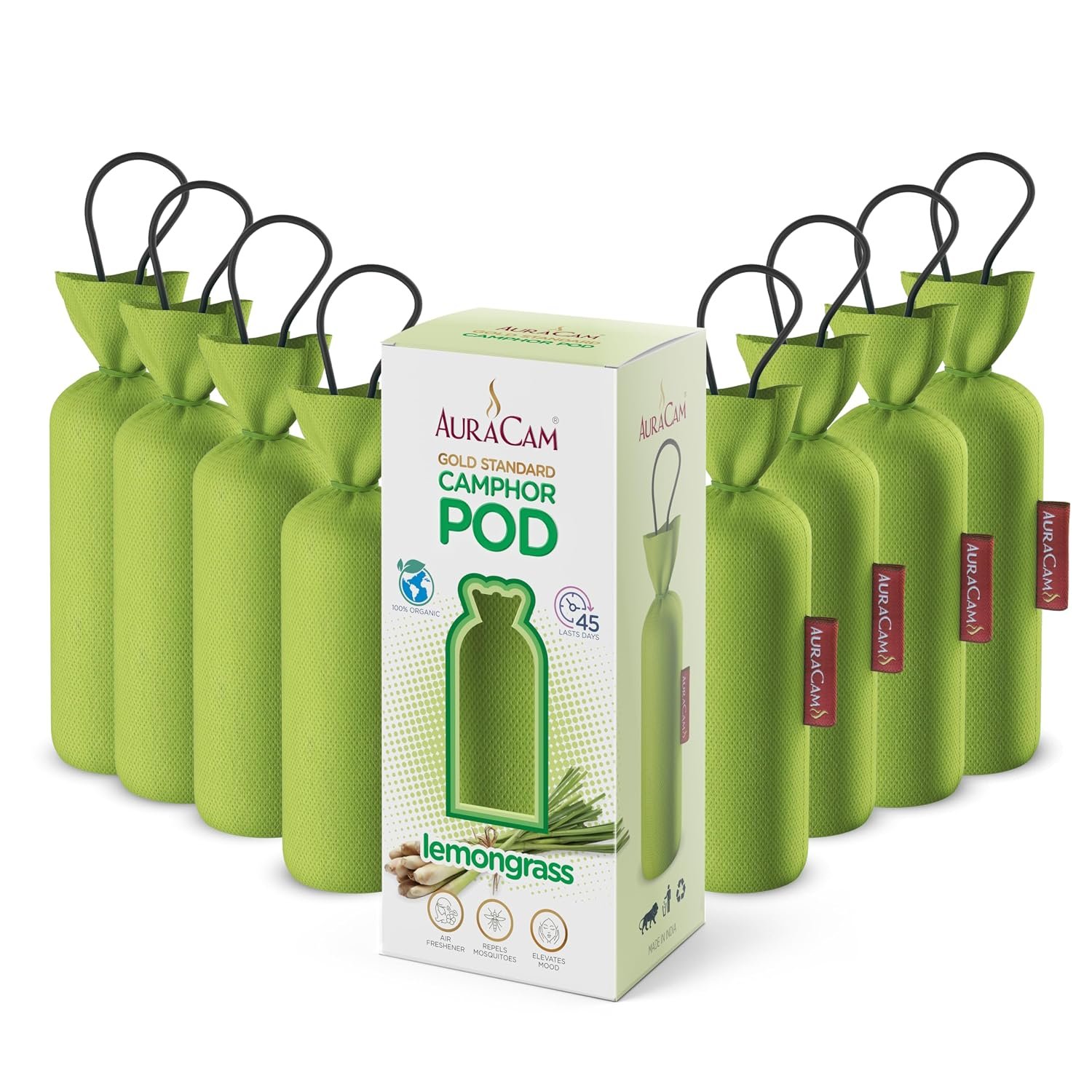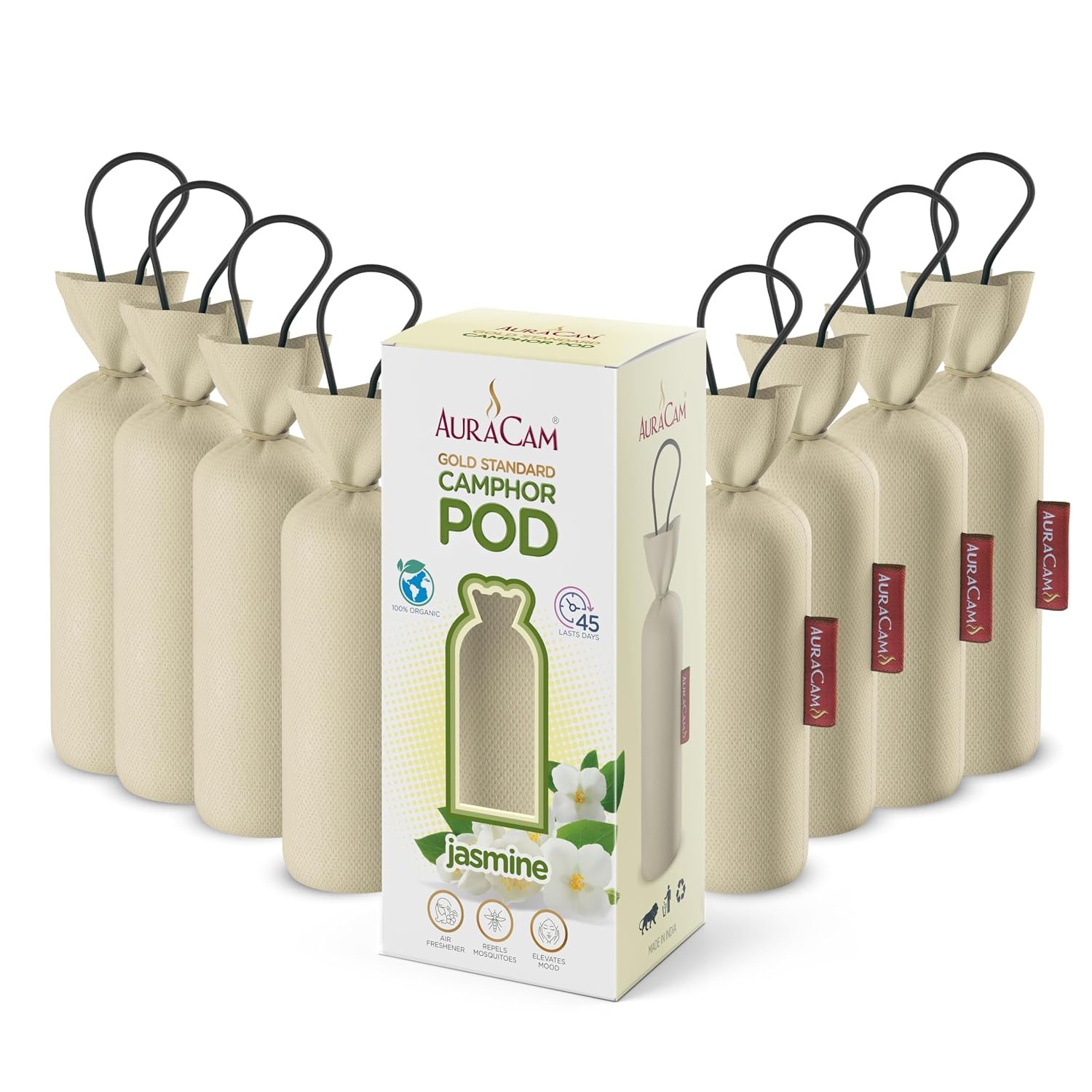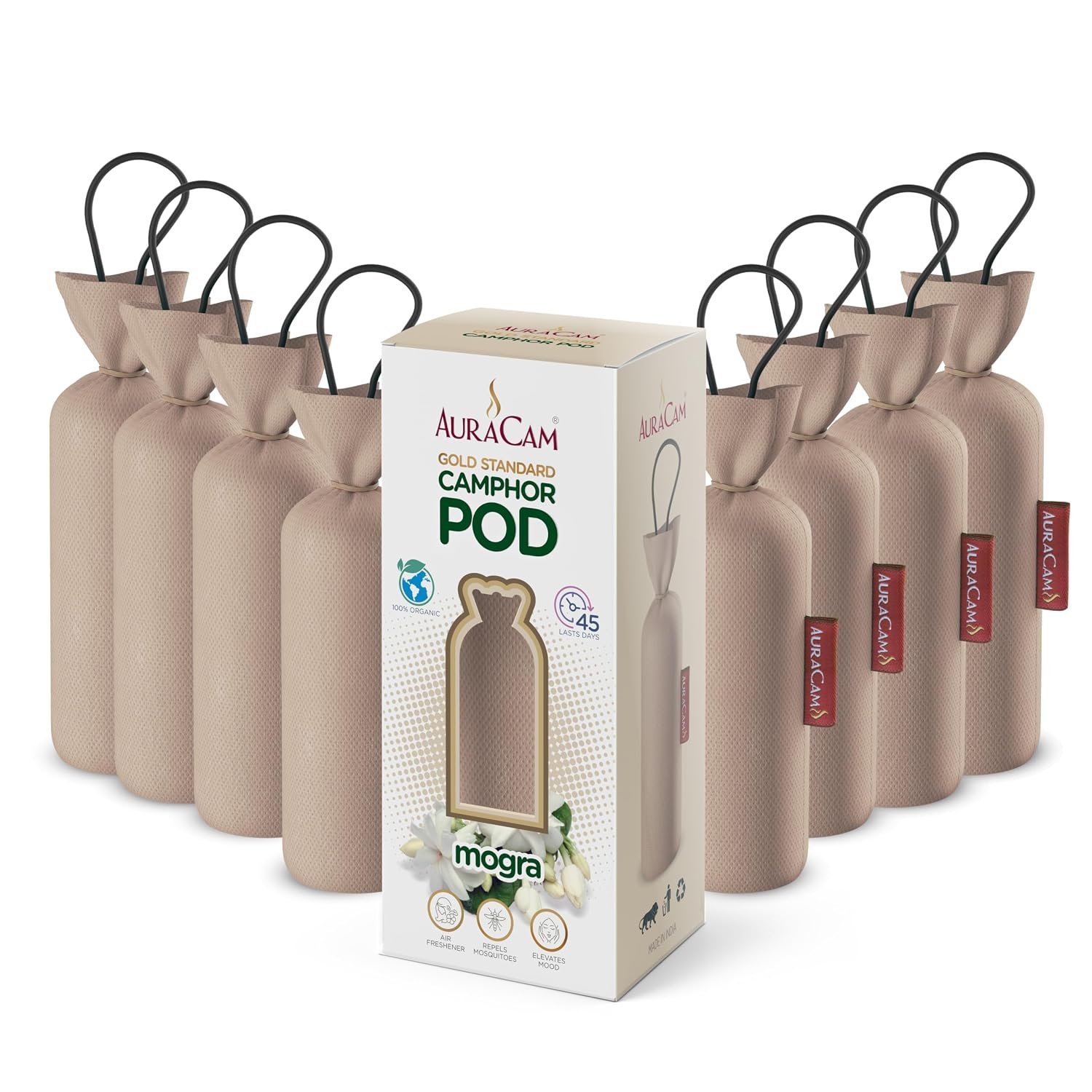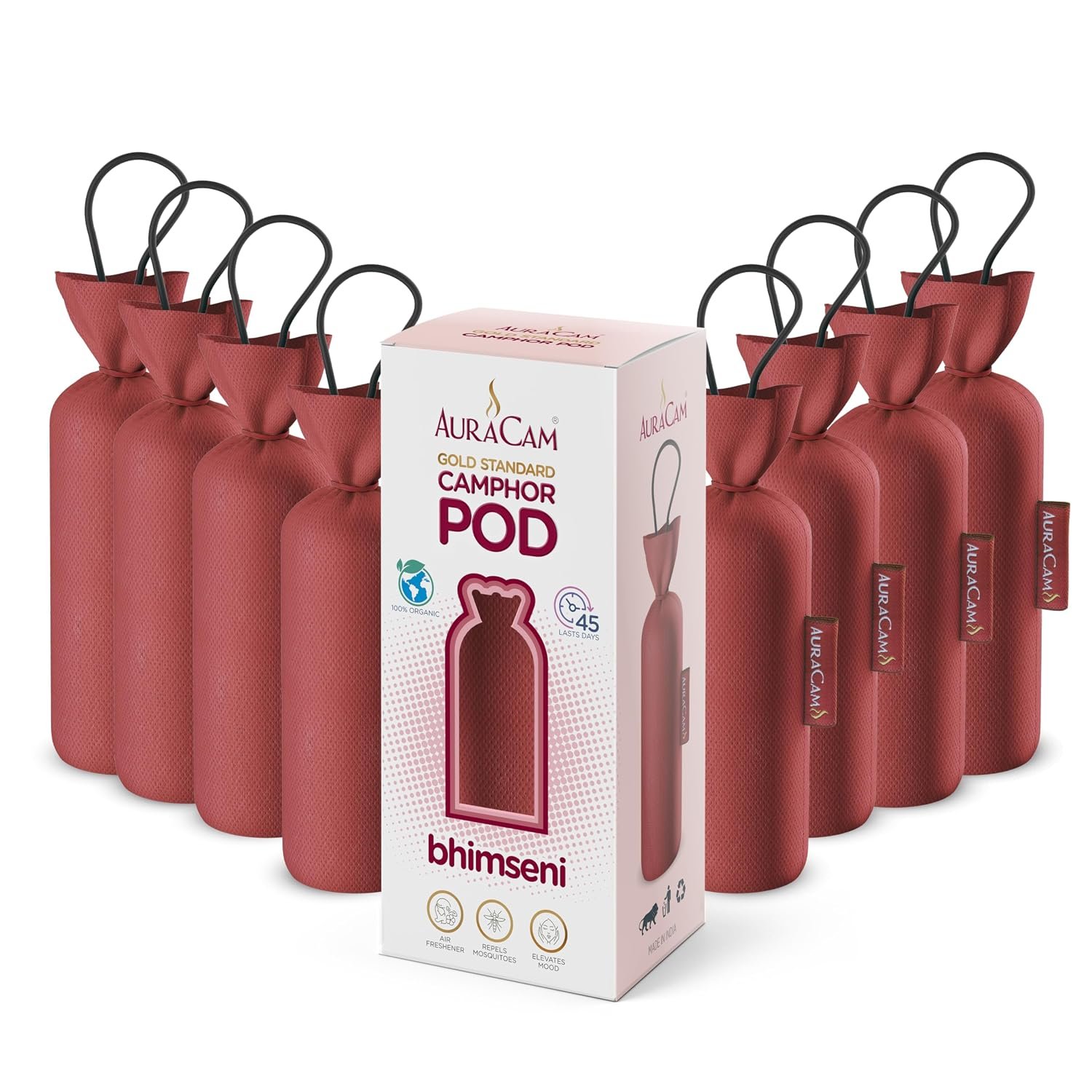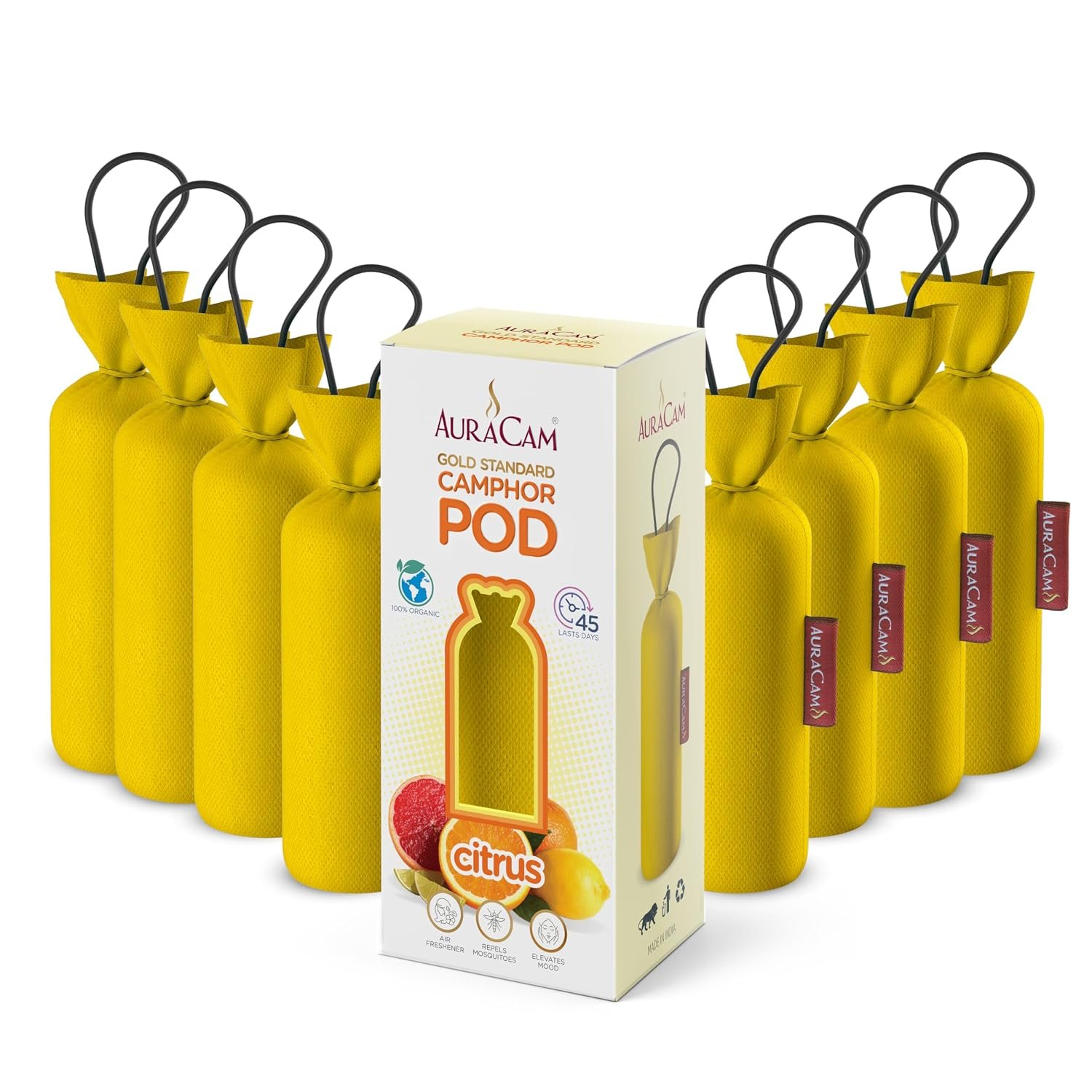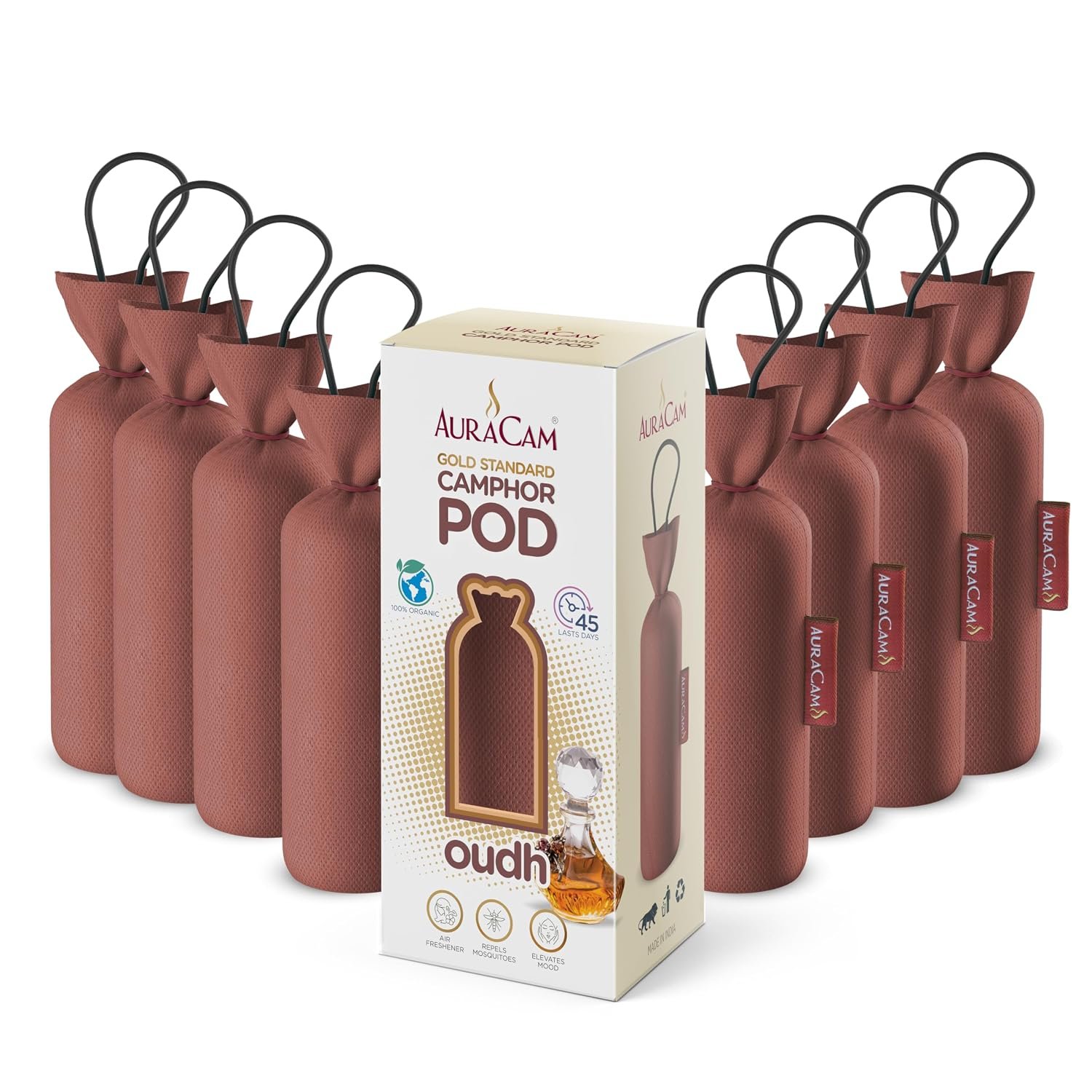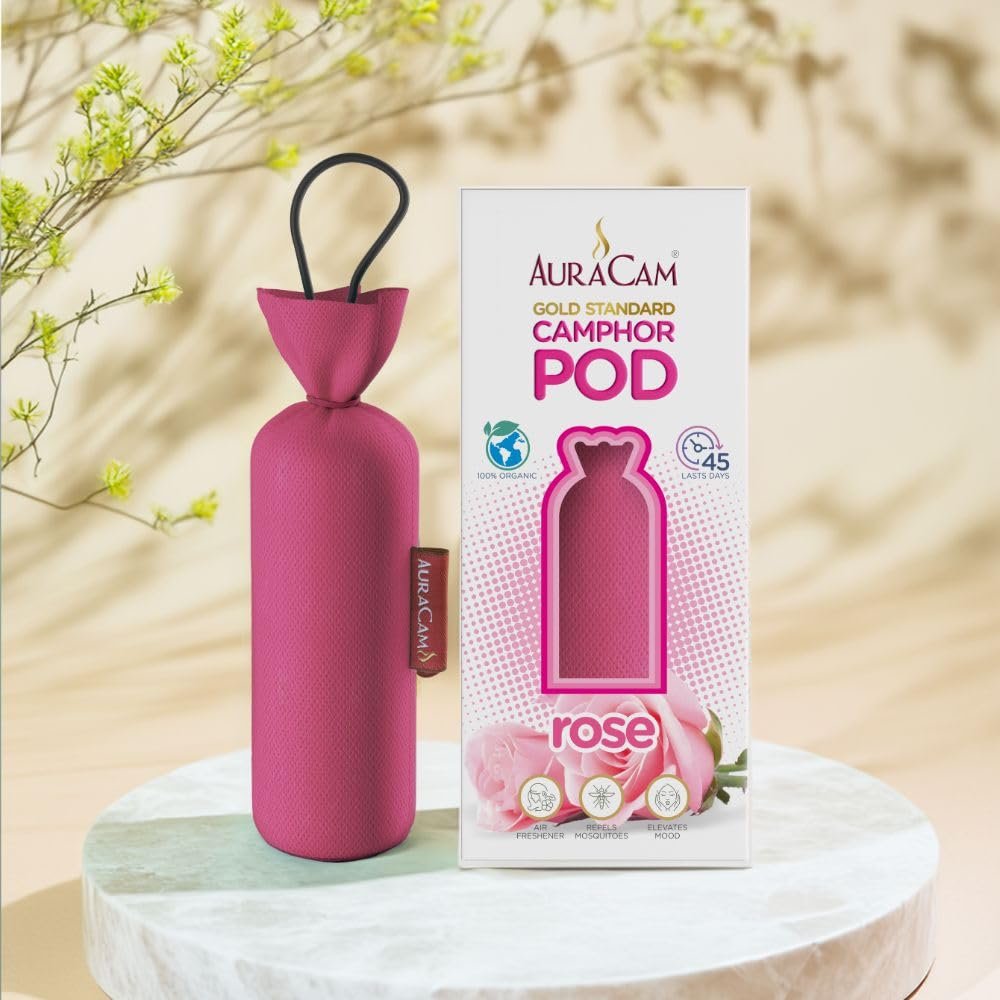
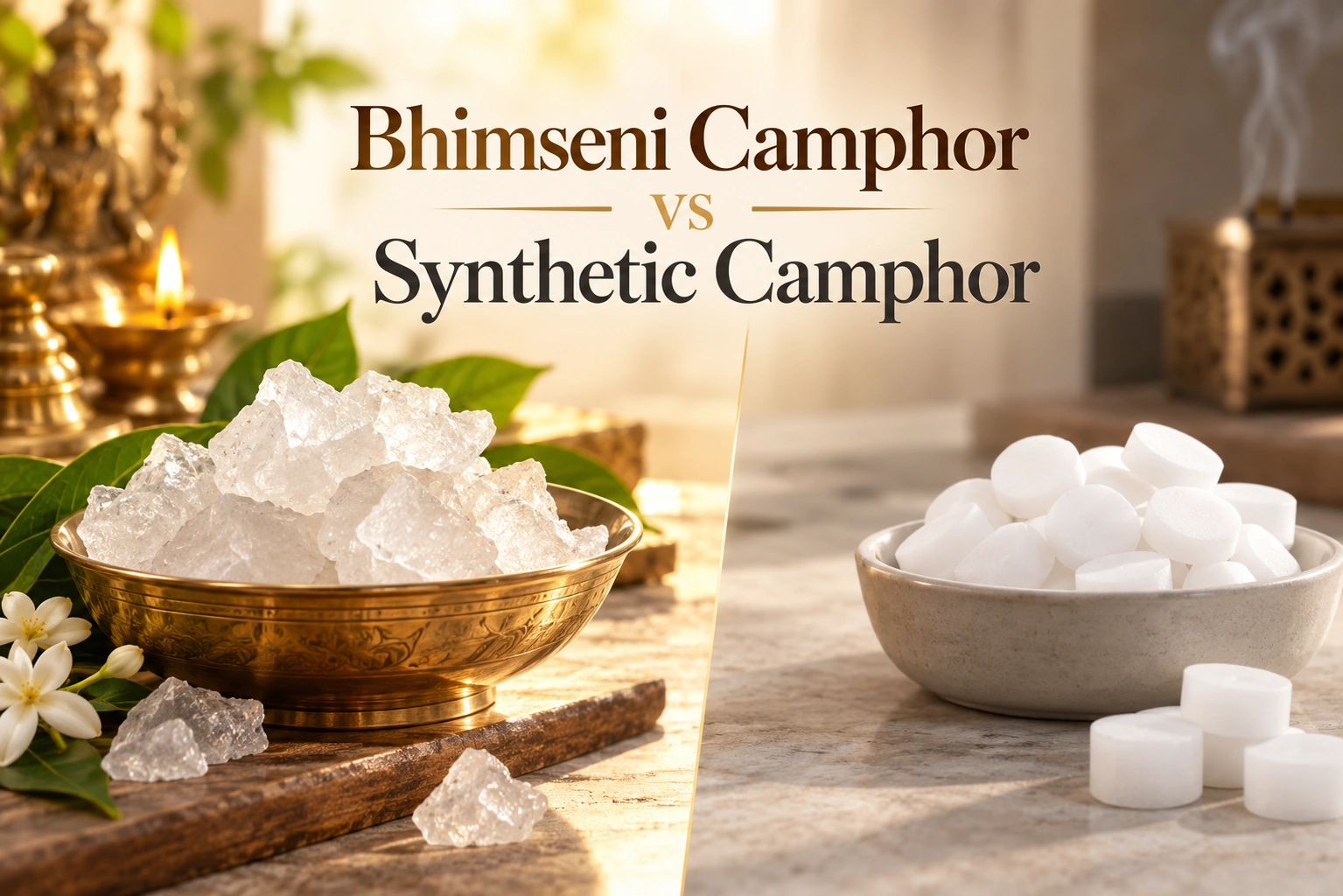
Camphor, commonly called Kapoor, has a familiar place in many Indian homes. It is used during पूजा and other household rituals, and some products are chosen for their fragrance. Yet when shopping for camphor, buyers may encounter several descriptions: Bhimseni camphor, natural camphor, pure camphor and synthetic camphor. These labels can be confusing, especially when products look similar.
The important distinction is not simply whether a product looks white, smells strong or burns quickly. Buyers should understand the stated source, manufacturing route, intended use and quality information. This guide explains the differences between Bhimseni camphor and synthetic camphor and provides a practical way to assess product labels.
What is Bhimseni camphor?
Bhimseni camphor is a name commonly used in India for camphor marketed as natural or botanically sourced. Traditional descriptions associate it with camphor-bearing trees and natural extraction. In retail markets, it may be sold in crystal, lump, tablet or other forms. However, naming conventions can vary between sellers, so the name alone should not be treated as conclusive proof of origin.
A clear product description should explain what is being sold and, where a natural-origin claim is made, provide meaningful information about the source. Manufacturer details and batch traceability help buyers ask informed questions about a particular product.
What is synthetic camphor?
Synthetic camphor is produced through industrial chemical processes using suitable feedstocks. After synthesis, the material may be purified and supplied in different forms for applications that match its grade and specification. Synthetic camphor can share the same principal chemical identity as camphor, although its manufacturing route and stereochemical composition may differ from naturally sourced material.
Synthetic does not automatically mean low quality, just as natural does not automatically mean suitable for every use. Quality and suitability depend on the material specification, manufacturing controls, testing and the application for which it is sold.
Bhimseni camphor vs synthetic camphor
| Comparison | Bhimseni / natural camphor as marketed | Synthetic camphor |
|---|---|---|
| Source | Marketed as originating from natural botanical material; verify the stated source. | Produced through an industrial chemical manufacturing route. |
| Production | Involves extraction and purification steps that depend on the source and producer. | Involves synthesis followed by suitable purification and quality control. |
| Product identity | Camphor is the principal compound; origin claims should be supported by supplier information. | Camphor is the principal compound; composition can depend on the synthesis route. |
| Retail form | May be sold as crystals, lumps or tablets. | May also be supplied as crystals, powder, tablets or other forms. |
| What to verify | Source description, traceability, intended use and relevant quality data. | Grade, specification, test data and intended-use suitability. |
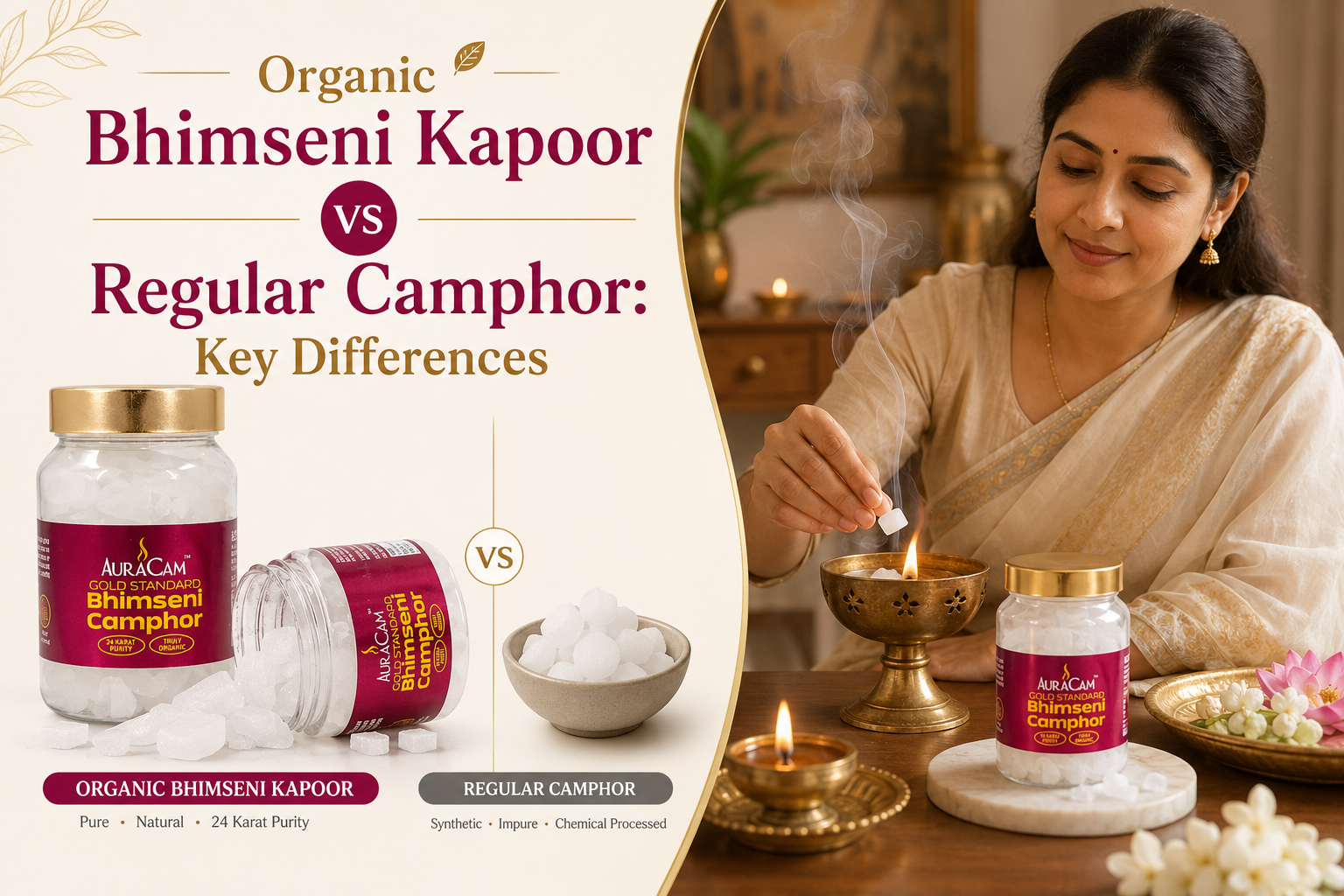
The physical form does not establish the source. Both types may be presented in similar shapes and packaging, so a visual comparison is not enough. For a brand-side view, read Organic Bhimseni Kapoor vs Regular Camphor: Key Differences.
How to identify pure Bhimseni camphor
There is no reliable household test that can conclusively establish both purity and natural origin. A better approach is to combine careful label reading with supplier transparency and suitable documentation.
Check the product identity and source
Look for a clear product name and a specific source description. If a product is described as natural or Bhimseni camphor, see whether the seller explains the origin rather than relying only on a prominent front-of-pack claim.
Review manufacturer and batch information
A responsible label should identify the manufacturer, marketer or packer and provide relevant batch or lot information. Dates, net quantity, directions and cautions should be legible. Traceability helps customers raise questions about a specific batch.
Ask about quality documentation
For bulk, institutional or specification-sensitive purchases, ask for a product specification and, where appropriate, batch-specific test documentation. Depending on the intended use, relevant parameters may include assay and limits for moisture, residue or other impurities. A qualified laboratory or technical buyer should determine which tests and limits are suitable.
Choose according to intended use
A camphor product intended for household or ritual use should be clearly described for that purpose. Do not assume that a household product is suitable for food, medicinal, cosmetic or other regulated applications.
What can a product label tell you?
| Label item | What a buyer should check |
|---|---|
| Product name | Does it clearly identify camphor and its form? |
| Source claim | Is natural or synthetic origin stated clearly and consistently? |
| Ingredients / composition | Is the product description meaningful for its category? |
| Manufacturer / packer | Is the responsible business identified? |
| Batch / lot number | Can the product be traced to a particular lot? |
| Dates and net quantity | Are quantity and applicable date details clear? |
| Directions and cautions | Are handling and intended-use instructions provided? |
| Quality support | Can the seller explain specifications or provide suitable test documents? |
Can smell, color or burning behavior prove purity?
No. Color, crystal size, fragrance intensity, evaporation and burning behavior can vary with processing, storage, formulation and environmental conditions. These observations may help a customer notice something unusual, but they do not conclusively prove purity or natural origin. Avoid tasting camphor or attempting improvised flame, solvent or chemical tests at home.
Camphor can be harmful if swallowed. Keep it away from children and pets, avoid ingestion, and follow the directions and cautions on the product packaging.
A practical camphor buying checklist
- Read the full product name and intended-use description.
- Check whether natural or synthetic source claims are clear.
- Look for manufacturer or packer details and batch identification.
- Review dates, net quantity, storage instructions and cautions.
- Ask the seller reasonable questions about sourcing and quality.
- For technical or bulk requirements, request suitable specifications or test documentation.
Buying online? See what to check before ordering.
Explore AuraCam camphor products
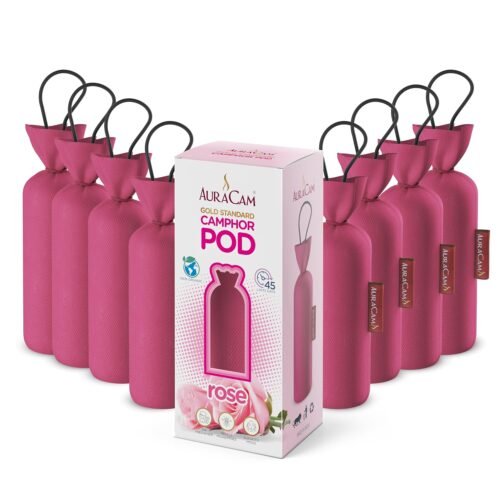
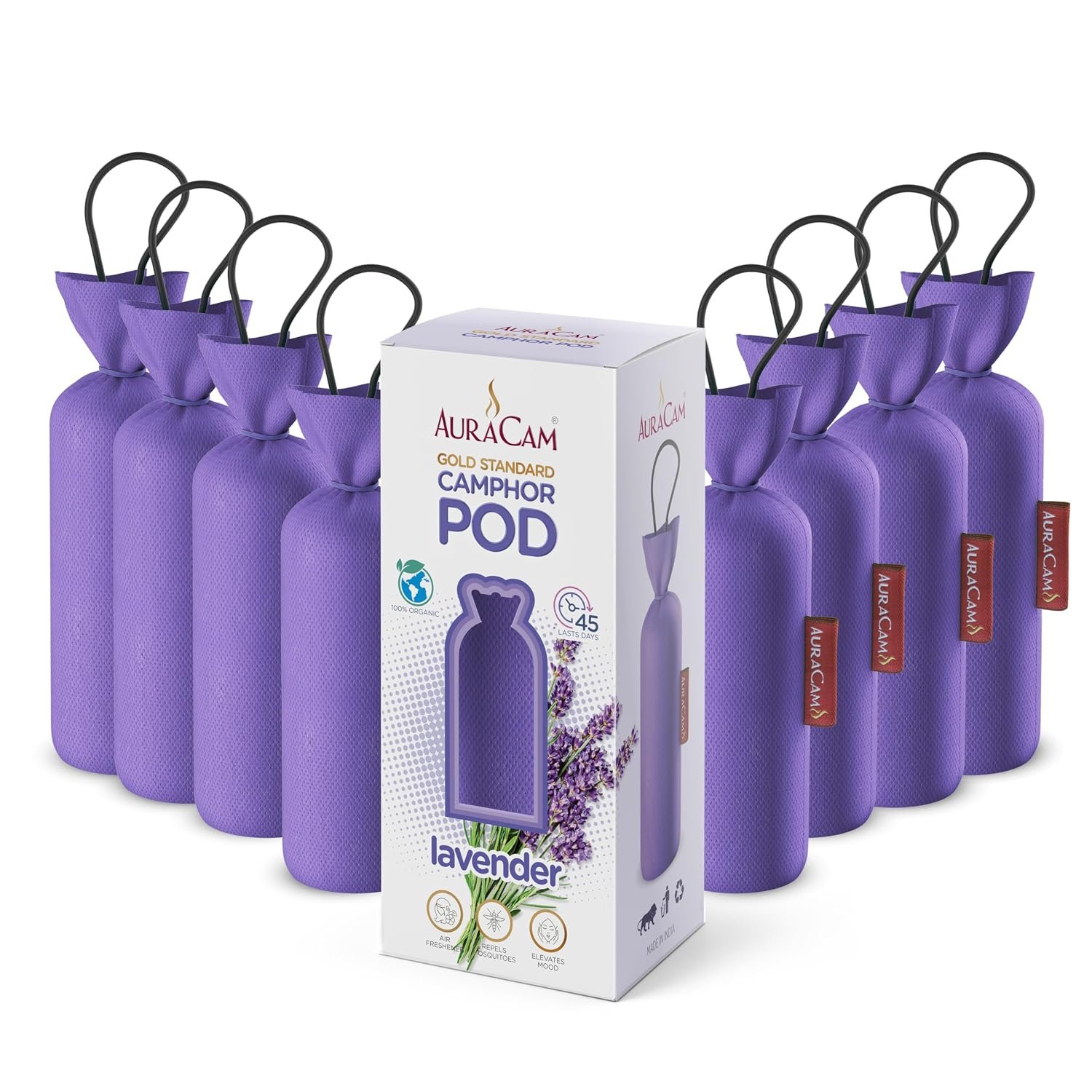
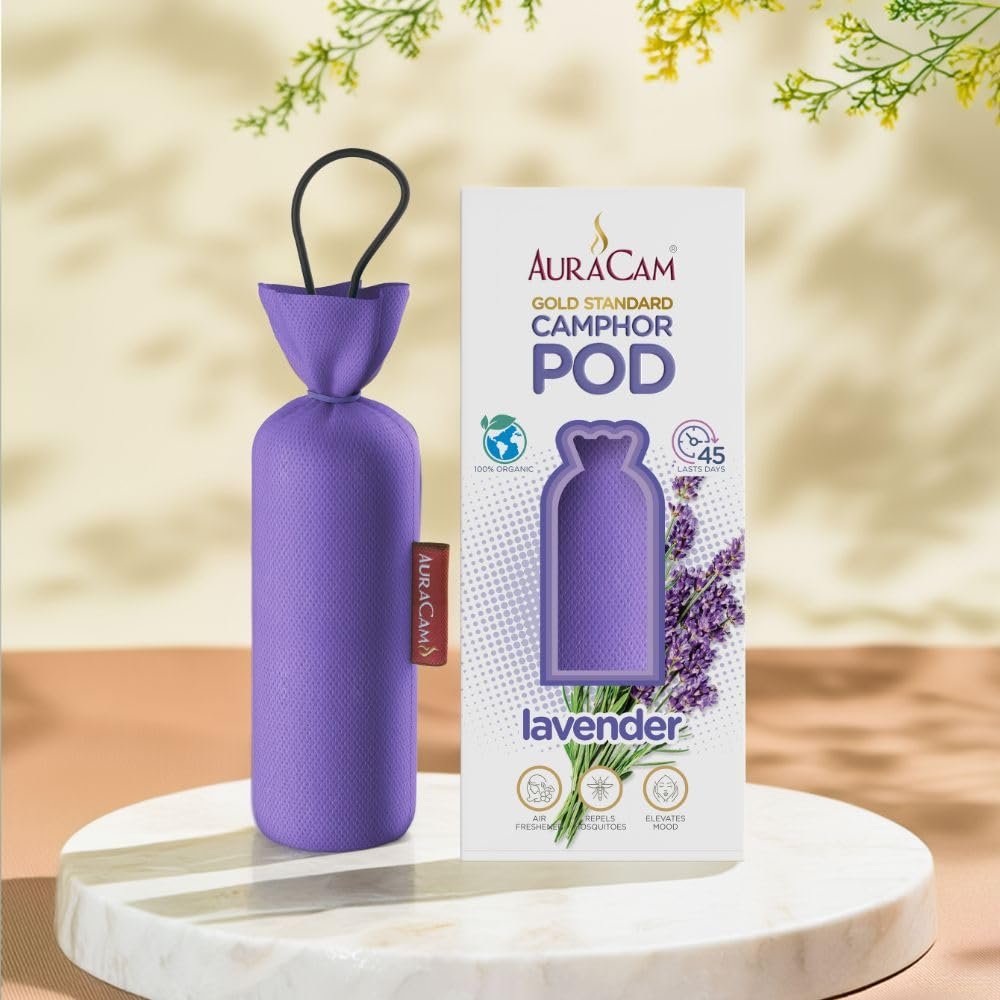
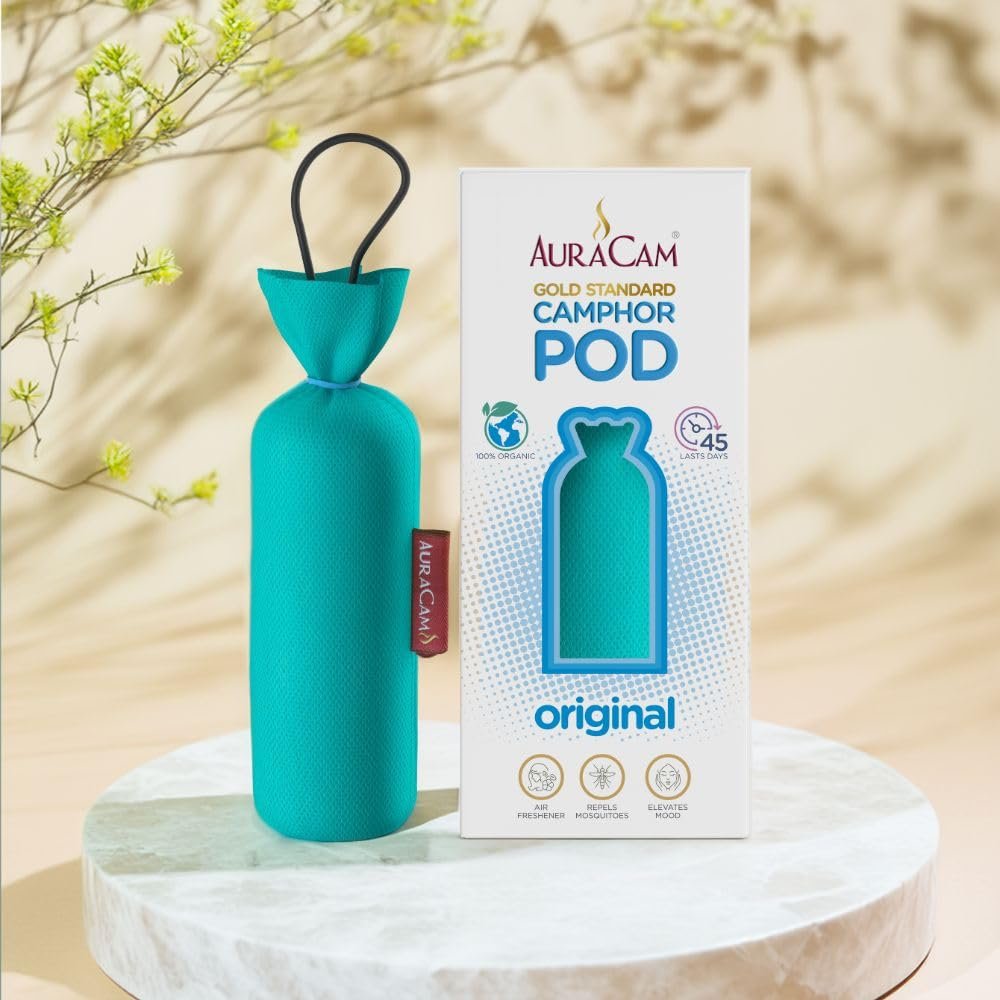
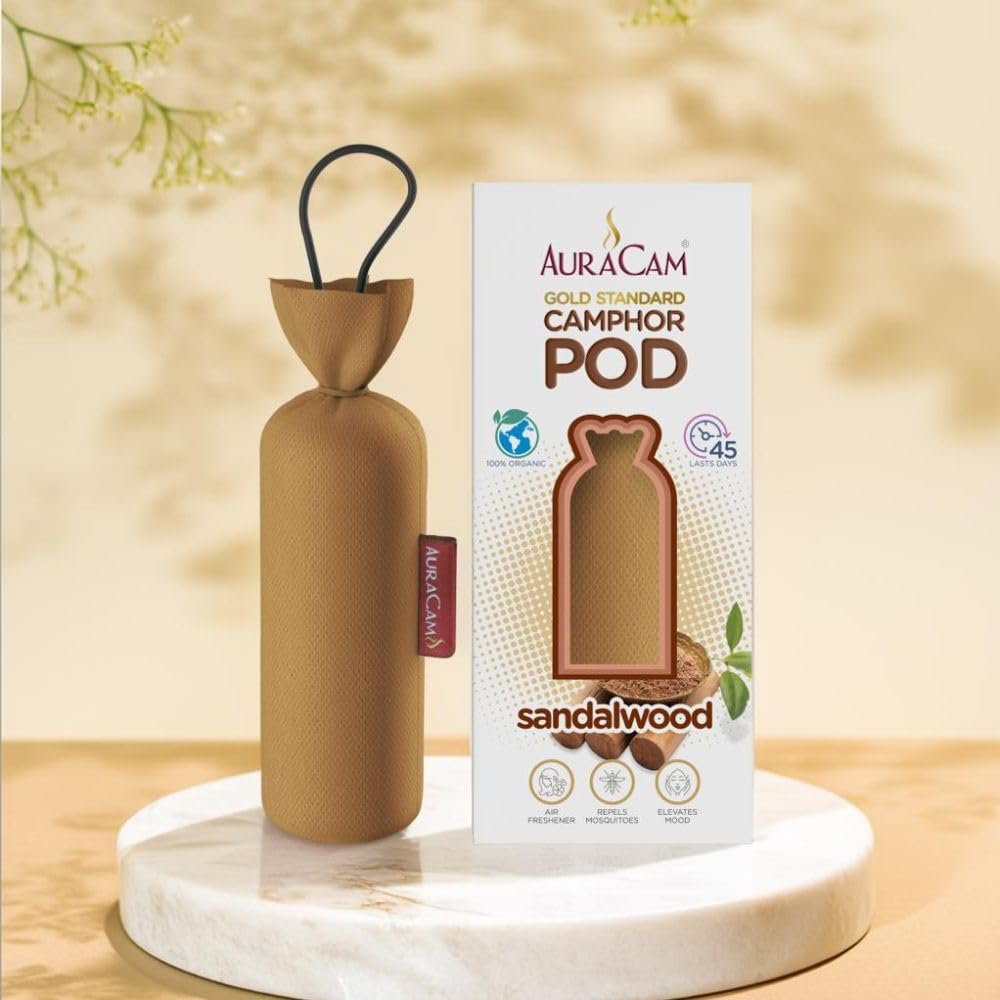
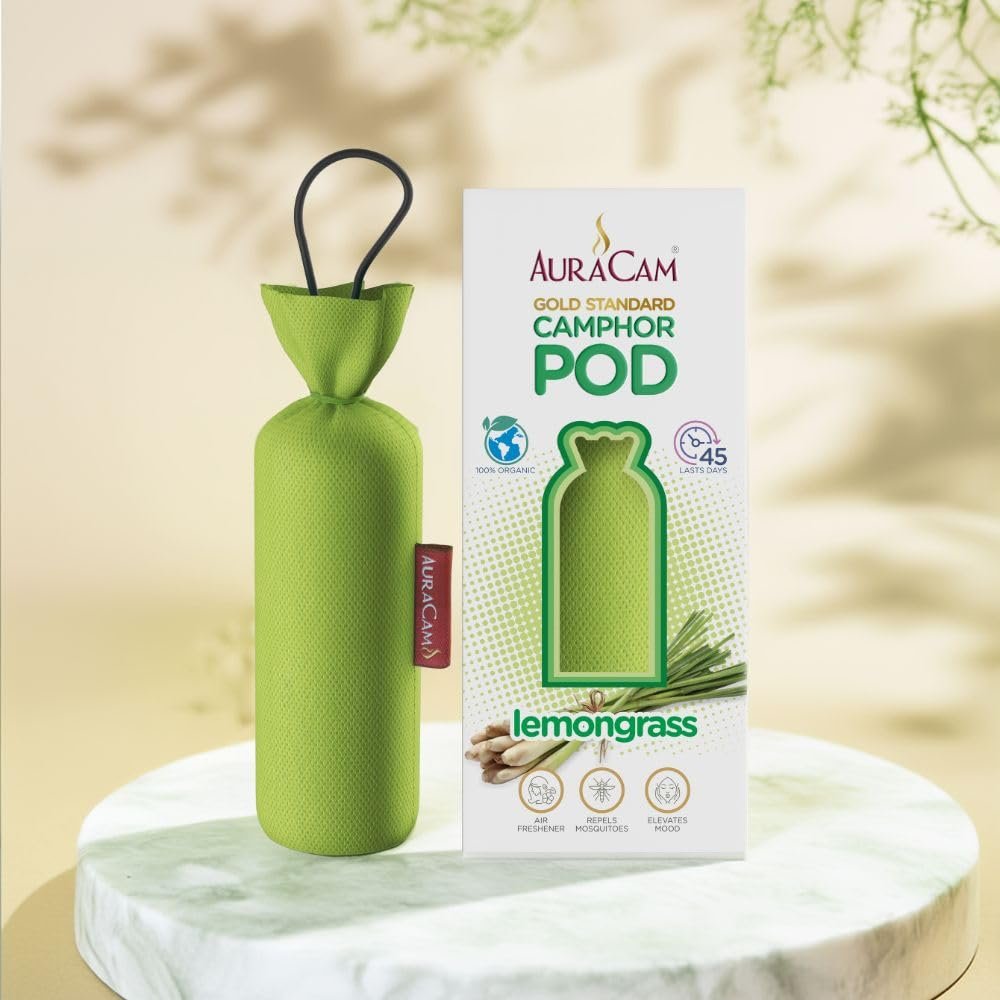
Customers comparing camphor formats can explore AuraCam‘s Bhimseni camphor range and camphor pod category. Those interested in fragrance accessories can also review the diffuser combo range.
For deeper background, read How Is Bhimseni Camphor Made? A Look Inside the AuraCam Process and What Is Bhimseni Camphor? Origin, Purity and Why It’s India’s Gold Standard Kapoor.
Buy Camphor With Clarity, Not Guesswork
Whether you choose Bhimseni or synthetic camphor, the safest purchase is an informed one. Read the label, check the source claim and batch details, match the product to its intended use, and ask the seller for quality information when it matters.
AuraCam’s Bhimseni camphor range is made for pooja and everyday home use, with manufacturer details you can trace and clear product information for each pack. Compare the formats side by side and pick the one that fits your ritual, your home and your budget.
Ready to buy with confidence? Explore AuraCam’s Bhimseni camphor range today, or contact our team to ask about sourcing, pack sizes and bulk requirements. Choose camphor you can trust, backed by a brand that is open about what it sells.
FAQs
Is Bhimseni camphor the same as synthetic camphor?
Not necessarily. Bhimseni camphor is commonly marketed as natural camphor, while synthetic camphor is made through an industrial chemical route. Check the stated source and supplier information.
How can I identify pure Bhimseni camphor at home?
A simple home test cannot conclusively prove purity or natural origin. Review the label and supplier details; request suitable laboratory documentation where needed.
Does white color prove camphor is pure?
No. Color and appearance are not definitive indicators of purity or source.
Is synthetic camphor always poor quality?
No. Synthetic camphor can be manufactured to defined specifications. Suitability depends on its grade, quality controls and intended use.
Can I use household camphor for every purpose?
No. Use a product only for the purpose stated by the manufacturer. Do not assume a household or ritual product is suitable for ingestion, medicinal or cosmetic use.
Is camphor safe to swallow?
No. Do not ingest camphor. It can cause serious poisoning. Keep it away from children and pets.