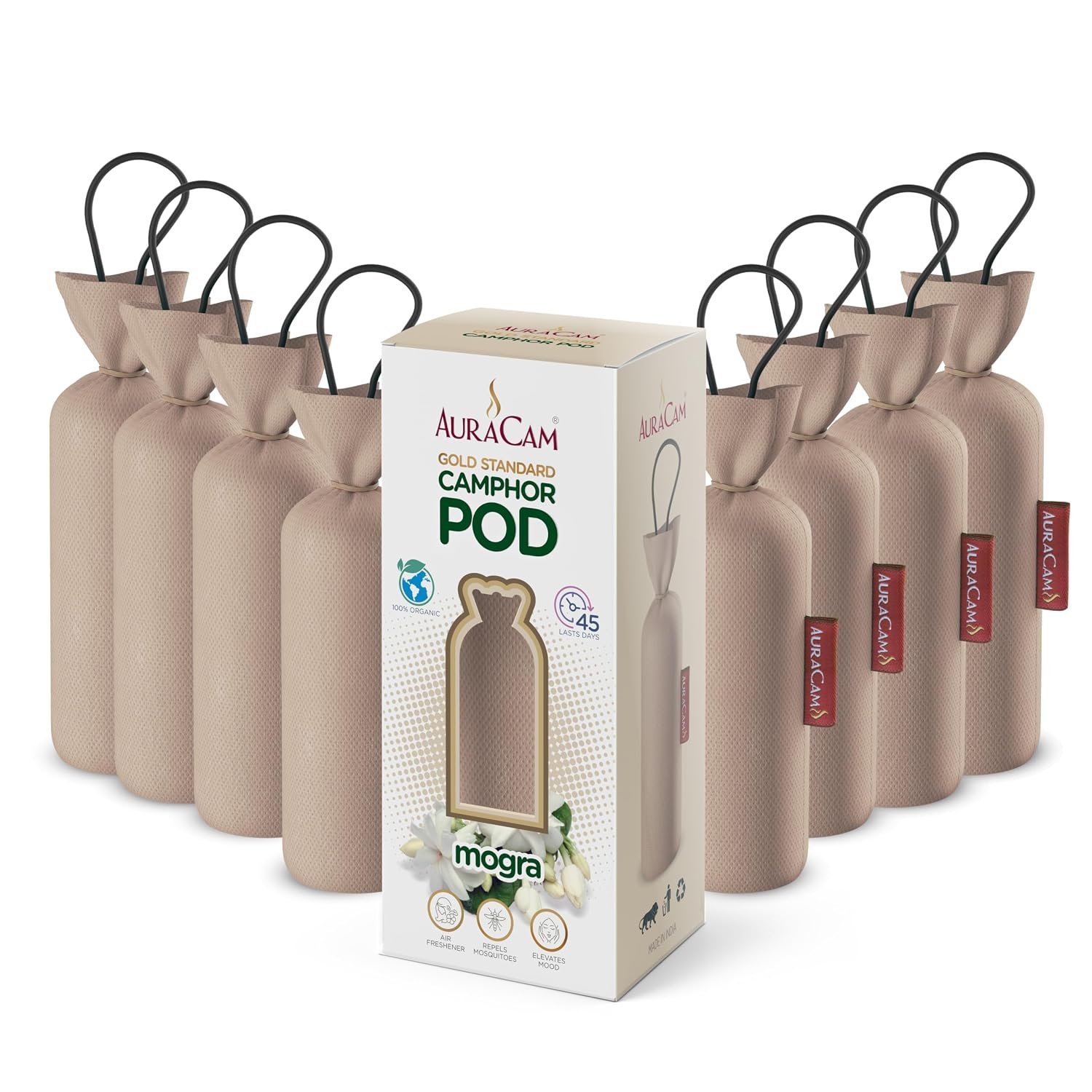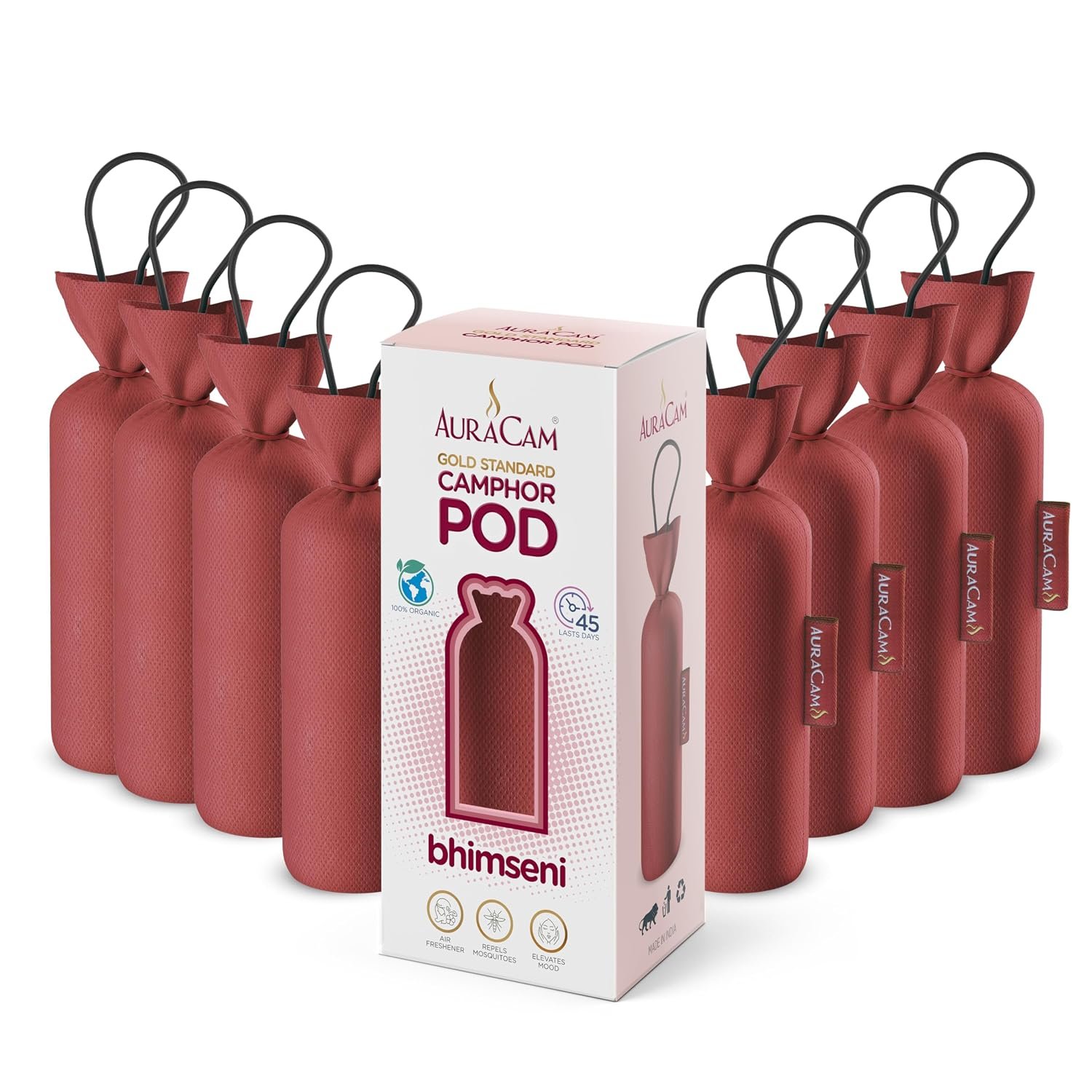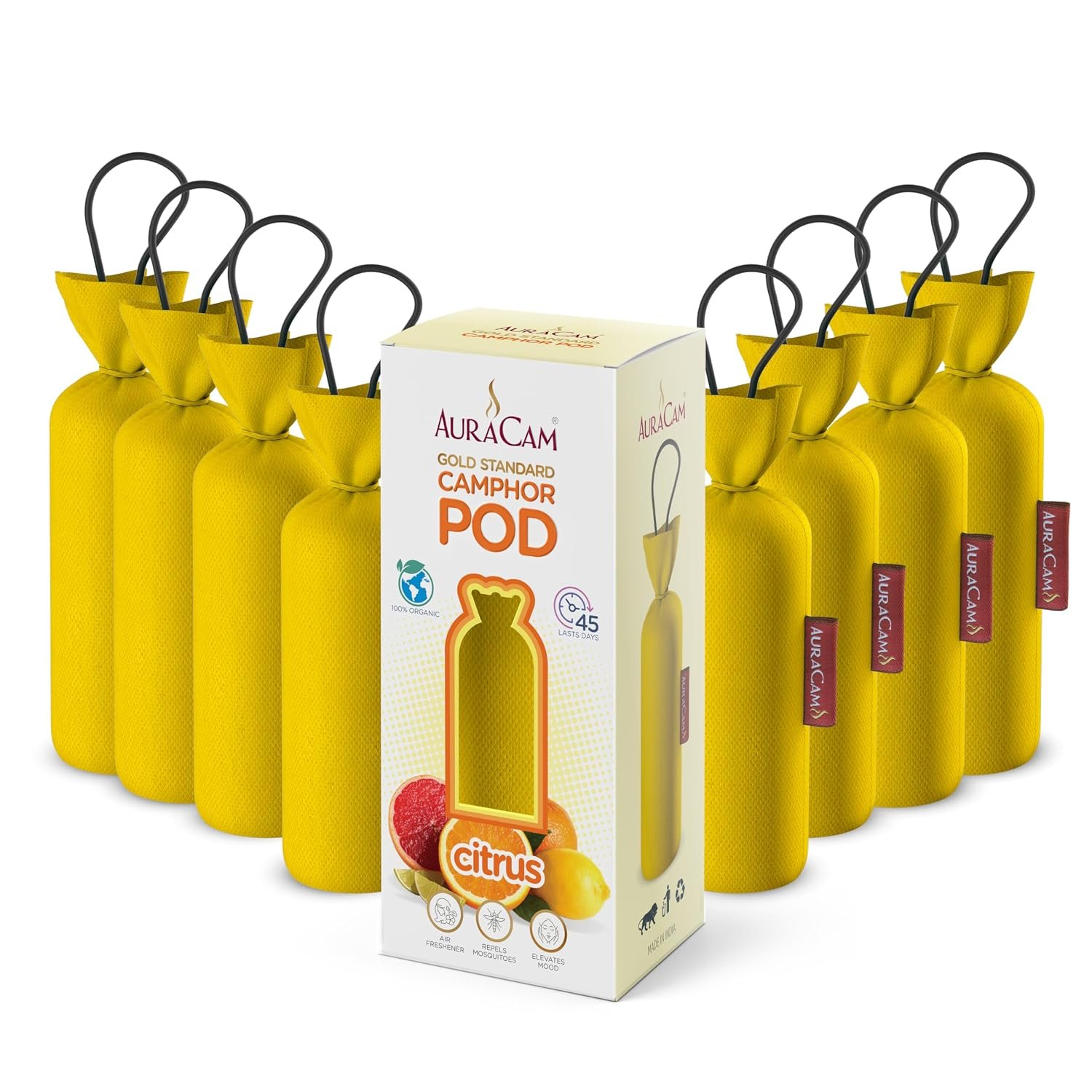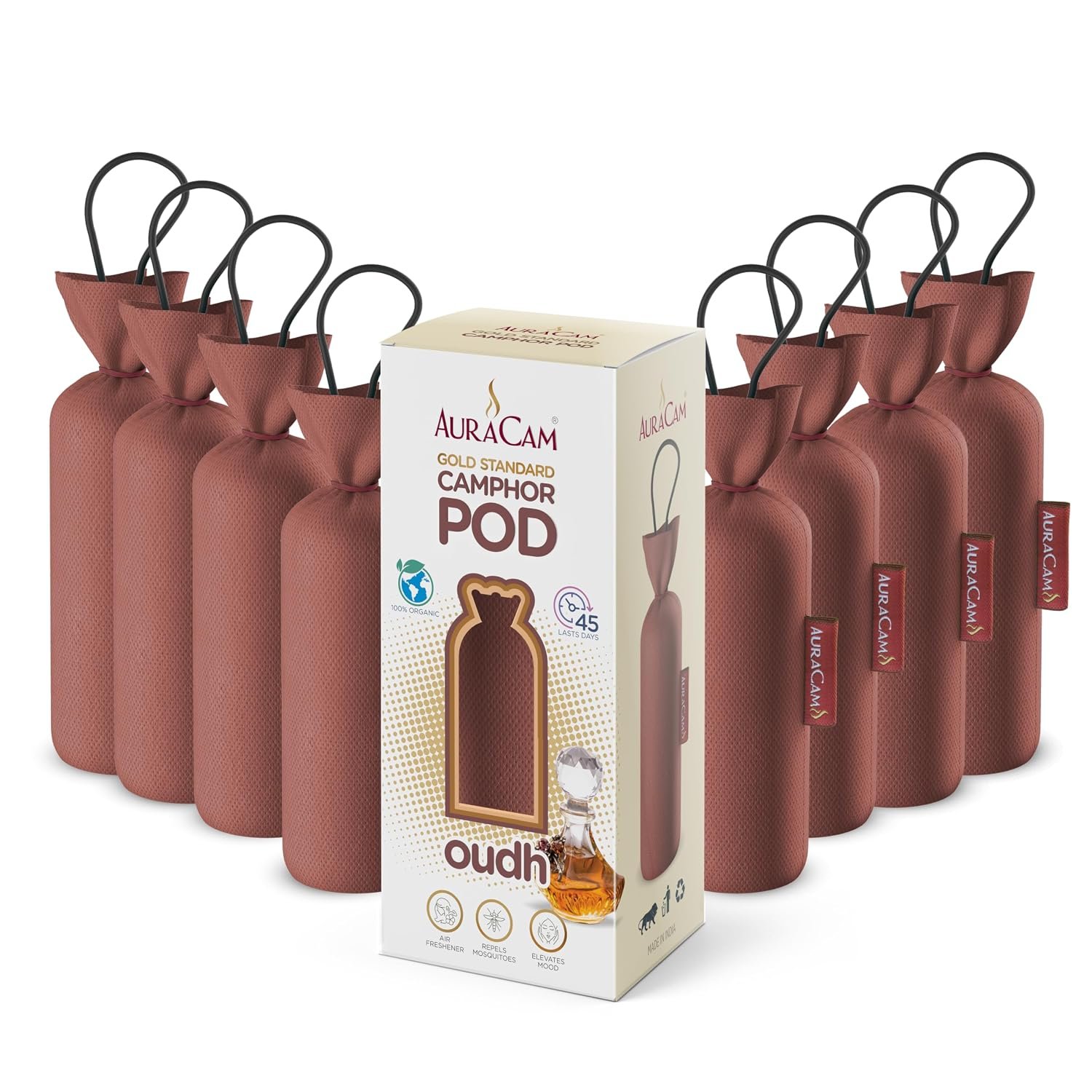

If you’re sourcing camphor in bulk – for a temple, a retail store, an event company, or a wholesale business – the decision isn’t as simple as picking the lowest price per kilo. Camphor quality varies widely between suppliers, and what looks like a good deal on paper can turn into inconsistent stock, customer complaints, or repeat orders that don’t match your first sample. Here’s what actually matters when evaluating camphor suppliers in Mumbai – from manufacturing background to pricing transparency – before you commit to a bulk order.
Mumbai has no shortage of camphor suppliers, ranging from small wholesale traders near pooja samagri markets to established manufacturers with their own production facilities. But not every camphor supplier in Mumbai operates at the same standard, and bulk buyers who skip due diligence often pay for it later – through returns, customer complaints, or a scramble to find a replacement supplier mid-season. This guide walks through exactly what to check before finalizing a bulk order with a camphor supplier.
Why Bulk Camphor Buying Is Different from Retail
When you buy a small pack of camphor tablets for home use, a slight variation in quality is barely noticeable. At bulk volumes, the same variation gets magnified. A batch that burns unevenly, has weaker fragrance, or contains impurities affects hundreds or thousands of end users – whether that’s temple visitors, retail customers, or event attendees. This is why bulk buyers need to evaluate suppliers on more than just price per unit.
Types of Camphor Suppliers in Mumbai
Before comparing individual vendors, it helps to understand the different types of camphor suppliers operating in Mumbai, since each comes with its own trade-offs for bulk buyers:
- Manufacturer-suppliers: Companies that manufacture camphor themselves, often with an in-house quality control lab. Buying directly from a manufacturer-supplier in Mumbai typically means better pricing at scale and more consistency batch to batch, since there’s no middleman diluting or repackaging stock.
- Wholesale traders and distributors: Businesses that buy from manufacturers and resell in bulk. These camphor suppliers can offer flexibility on smaller order sizes but may have less visibility into the original manufacturing process, so it’s worth asking which manufacturer they source from.
- Local pooja samagri wholesalers: Common in markets like Zaveri Bazaar and Lalbaug, these suppliers cater to smaller retailers and individual bulk buyers. Quality can vary significantly between vendors, so sampling before committing is especially important here.
- Online B2B suppliers: A growing number of camphor suppliers in Mumbai now offer bulk ordering online, with published pricing tiers and documented quality standards – useful for buyers outside Mumbai who can’t inspect stock in person before ordering.
Knowing which category a supplier falls into helps set the right expectations around pricing, consistency, and how much due diligence you’ll need to do before placing a large order.
Key Factors to Check Before Placing a Bulk Order
1. Source and Manufacturing Background
Ask where the camphor is actually manufactured, not just where it’s sold from. A supplier with an established manufacturing facility and a documented history in pine chemicals is generally a safer bet than a reseller who can’t tell you where their stock originates. Longevity in the industry – decades rather than years – is often a useful signal, since it usually means the supplier has survived multiple demand cycles and built consistent sourcing relationships.
2. Bhimseni vs Regular Camphor Grade
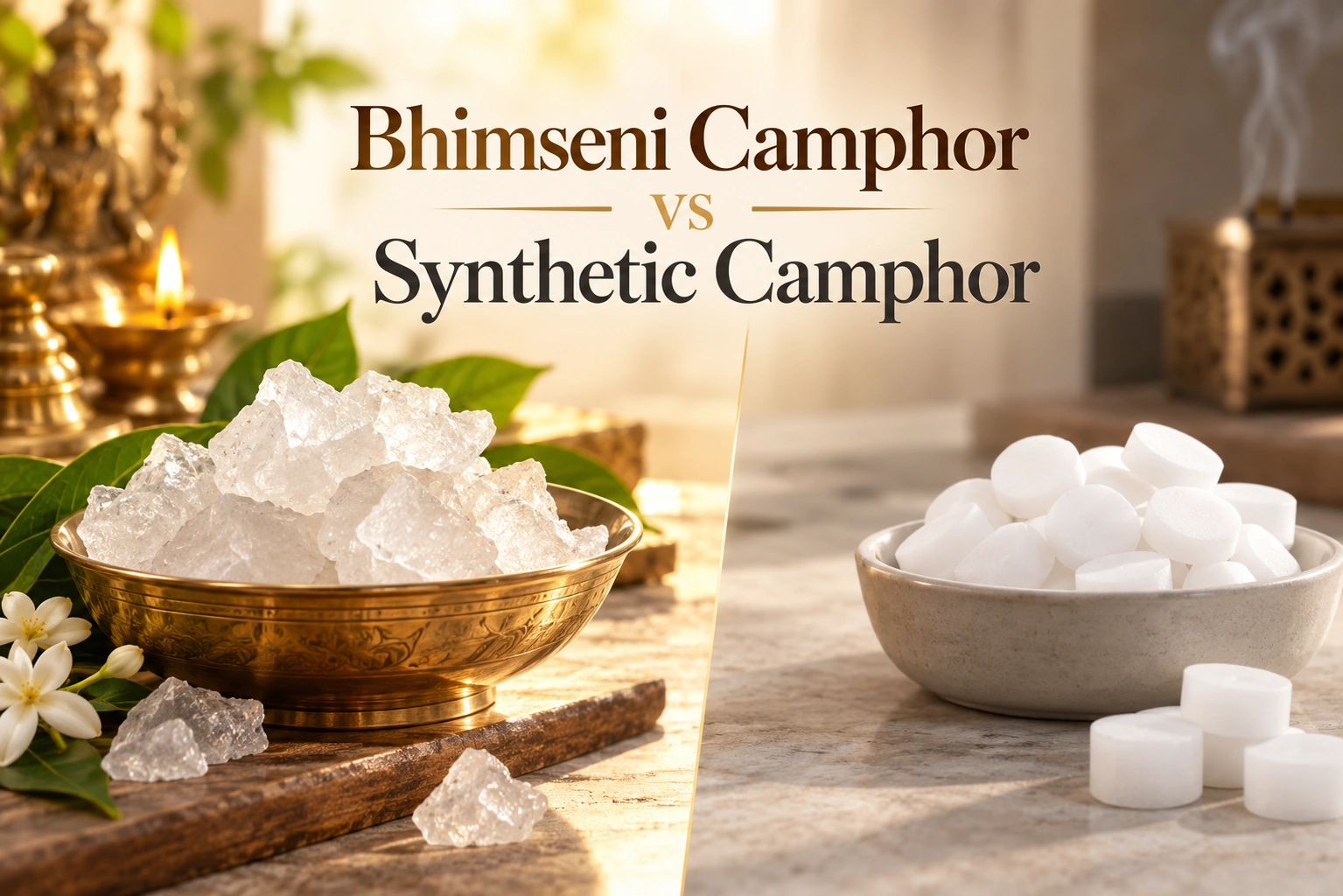
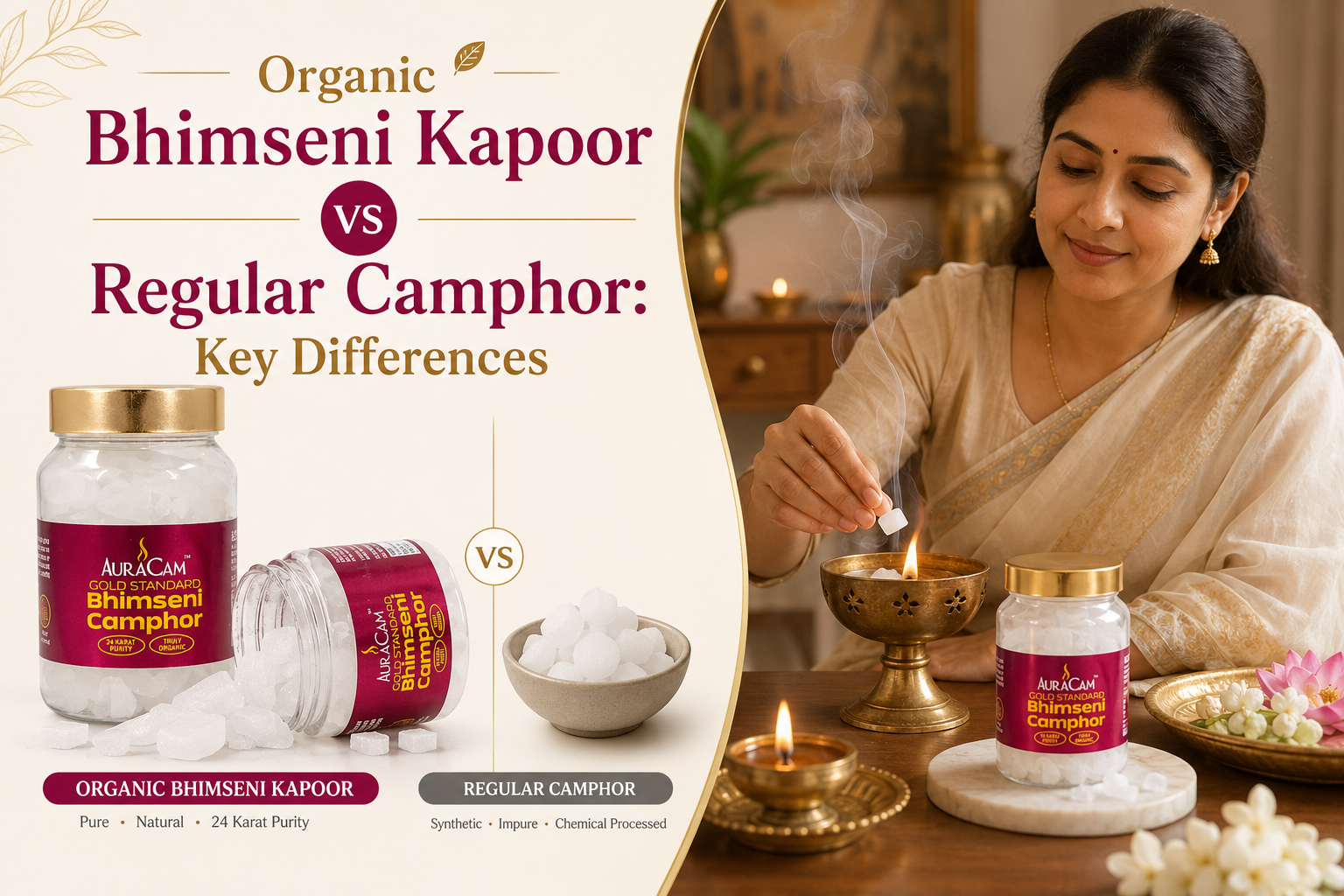
Not all camphor is the same grade. Bhimseni Camphor, derived from natural pine sources, is considered a higher grade than synthetic or diluted camphor commonly sold in bulk at lower prices. If your business – a temple supply store, a pooja samagri retailer, or an event company – depends on repeat customers who can tell the difference, buying a lower grade to save on cost can backfire through returns or lost trust. Always ask suppliers to specify the exact grade being quoted, and get it in writing on the invoice or purchase order.
3. Quality Control Process
Ask whether the supplier has a dedicated quality control lab, and what specifically gets tested – purity, burn consistency, fragrance retention over time, and packaging integrity are all relevant for bulk buyers. Suppliers who can describe a specific testing process are generally more reliable than those who simply claim “premium quality” without detail.
4. Sample Before You Scale
Before committing to a large order, request a sample batch and test it under your actual usage conditions – whether that’s daily temple aarti, retail shelf life, or event use. Compare the sample against your expected order size; sometimes bulk-manufactured batches differ slightly from small sample runs, so it’s worth asking the supplier directly whether the sample was produced on the same line as bulk stock.
5. Packaging and Shelf Life
Camphor is volatile by nature – it sublimates over time, especially in loose or poorly sealed packaging. For bulk buyers, ask about:
- Packaging material and whether it’s airtight
- Recommended storage conditions (away from heat and direct sunlight)
- Expected shelf life before noticeable fragrance loss
This matters more for bulk orders since stock may sit in a warehouse for weeks or months before reaching the end customer.
6. Pricing Transparency and MOQ
Get clarity upfront on:
- Minimum order quantity (MOQ)
- Price breaks at different volume tiers
- Whether pricing is fixed or subject to change based on raw material costs (pine-based raw materials can fluctuate seasonally)
A transparent supplier will walk you through this without pressure tactics or vague “call for pricing” answers.
7. Distribution and Delivery Reliability
For businesses that need consistent stock – retail stores, festival-season suppliers, or recurring institutional buyers – ask about typical lead times, delivery reliability during high-demand periods like Diwali or Ganpati, and whether the supplier can commit to recurring monthly or quarterly orders at agreed pricing.
How to Compare Camphor Suppliers in Mumbai Side by Side
Once you’ve shortlisted a few camphor suppliers in Mumbai, it helps to compare them against the same checklist rather than judging each on price alone. A simple comparison sheet – covering manufacturing background, camphor grade, sample quality, MOQ, pricing tiers, and delivery reliability – makes it much easier to spot which supplier is actually offering better value versus which one is simply quoting a lower number upfront.
It’s also worth asking each shortlisted supplier the same set of questions, so answers are directly comparable:
- Is the camphor Bhimseni grade or regular grade, and can this be confirmed on the invoice?
- What does your quality control process actually test for?
- Can you provide a sample before we place a bulk order?
- What is your MOQ, and do you offer tiered pricing for larger volumes?
- How do you handle delivery during high-demand periods like Diwali or Ganpati?
Suppliers who answer these clearly and consistently are generally easier to build a long-term bulk supply relationship with than those who avoid specifics.
Red Flags to Watch For
- Suppliers unwilling to specify camphor grade (Bhimseni vs regular) on the invoice
- No willingness to provide a sample before a bulk order
- Vague answers about manufacturing origin or quality testing
- Pricing that seems significantly below market average with no clear explanation
- No established online presence, GST registration, or verifiable business address
Why Choosing the Right Camphor Supplier in Mumbai Matters for Your Business
Whether you’re restocking a pooja samagri shop, sourcing for a temple trust, or supplying an event company, the camphor supplier you choose becomes part of your own reputation. A consistent, well-sourced bulk camphor supply reduces returns, builds repeat trust with your own customers, and avoids the disruption of switching suppliers mid-season when demand is highest.
For Mumbai-based businesses in particular, working with a local or regionally accessible supplier also has practical advantages – shorter delivery timelines, easier communication for urgent restocking during festival season, and the ability to visit a facility or request an in-person sample if needed. This is one reason many bulk buyers prefer to shortlist camphor suppliers based in or near Mumbai rather than sourcing from further afield, even when pricing looks marginally better elsewhere.
Sourcing Bulk Camphor from AuraCam
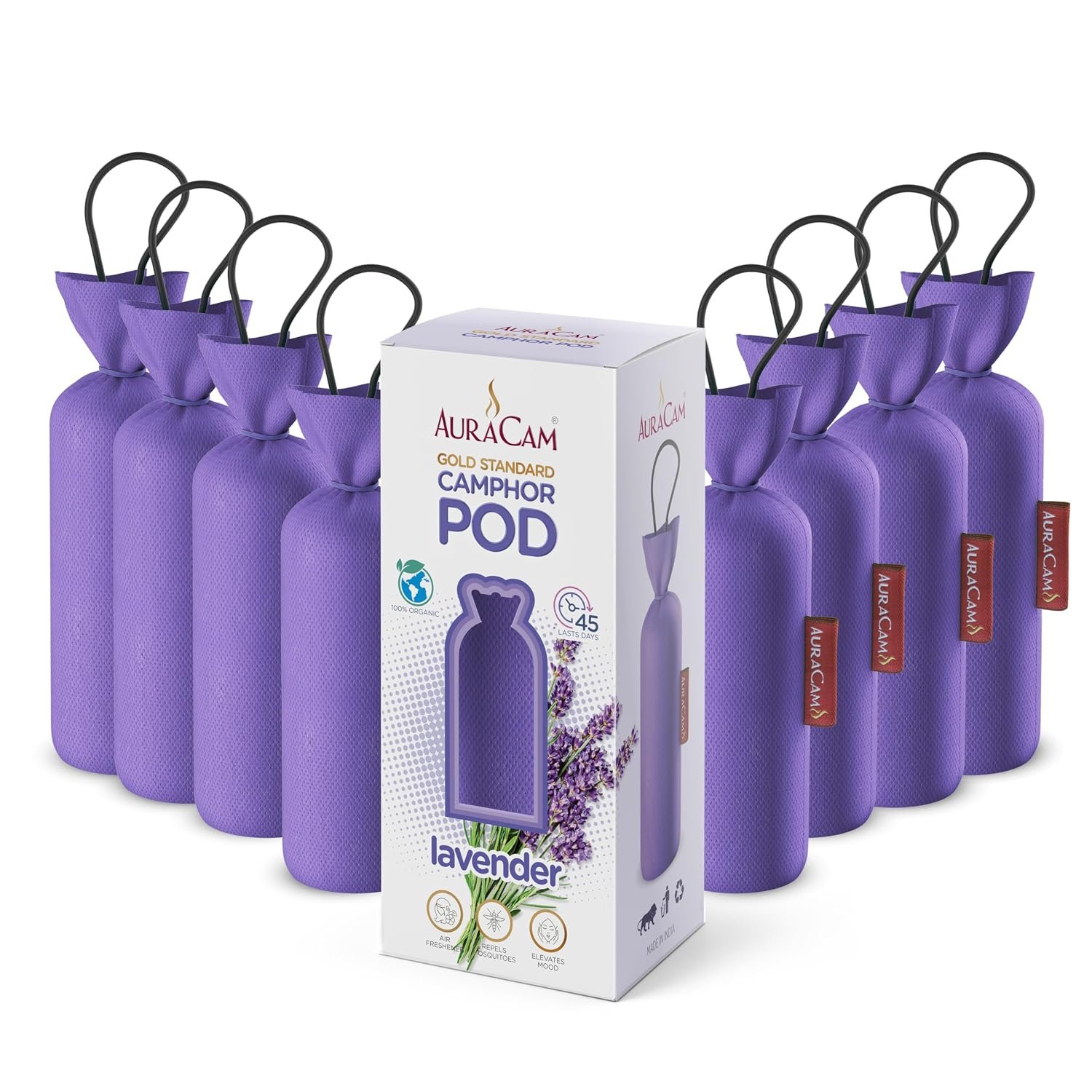
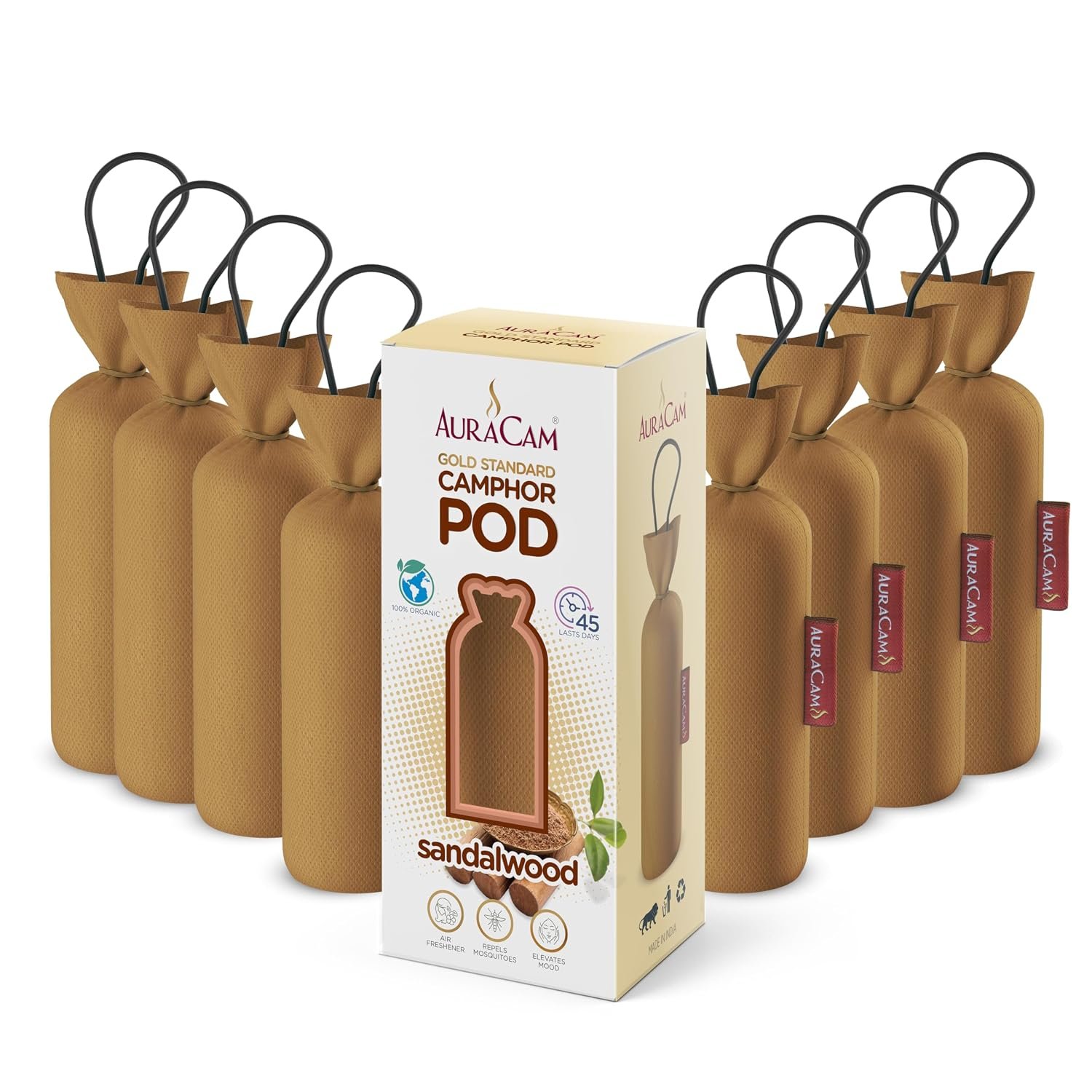
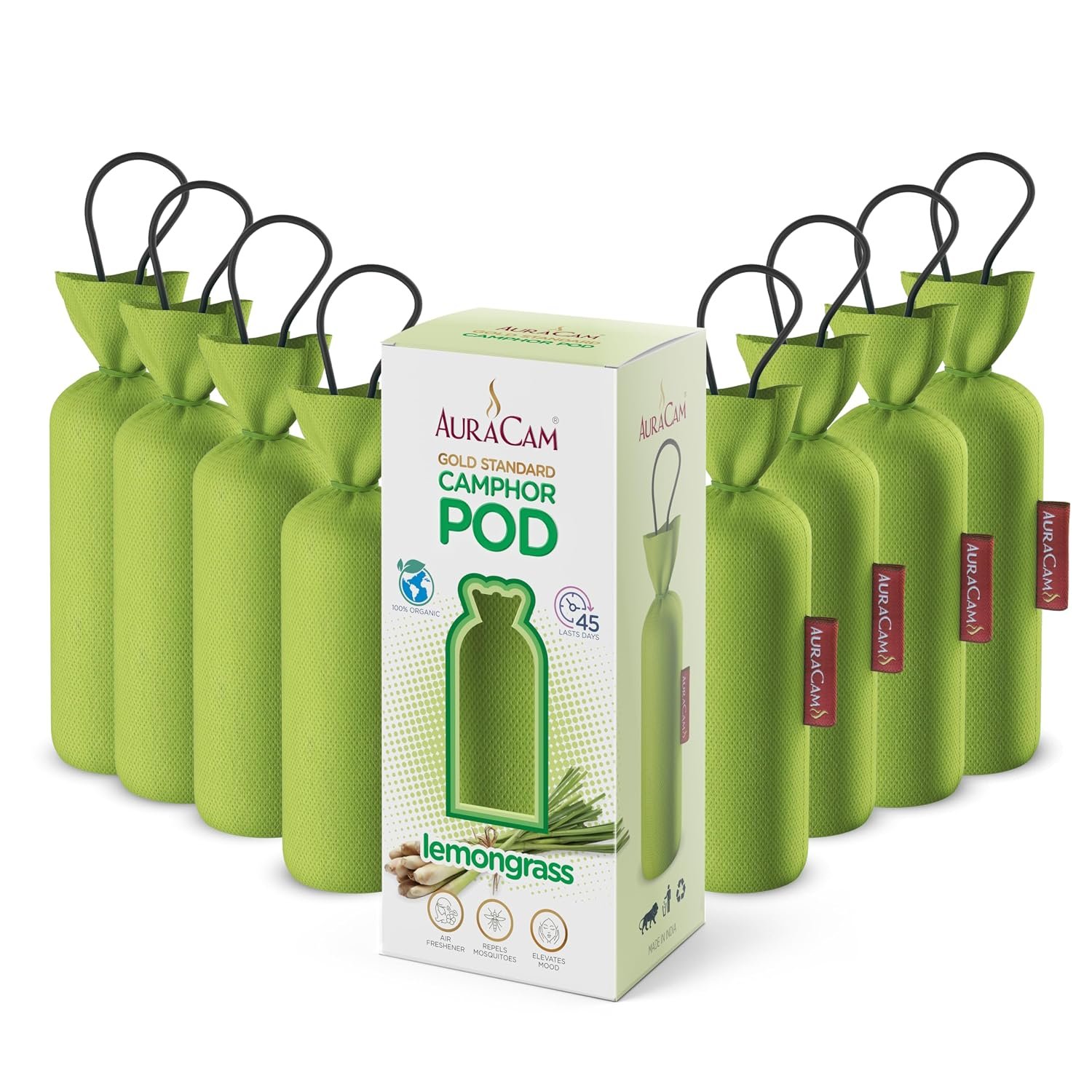
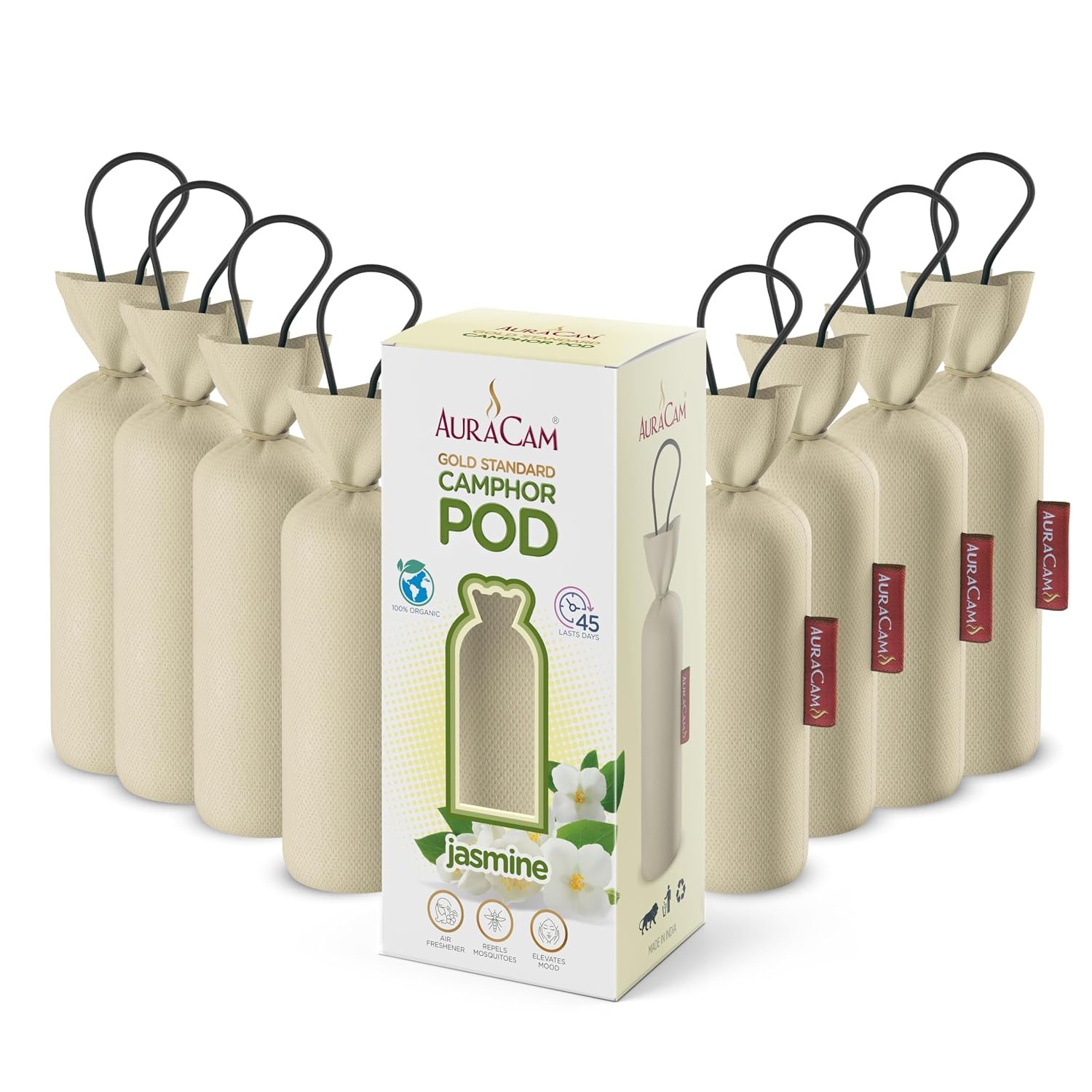
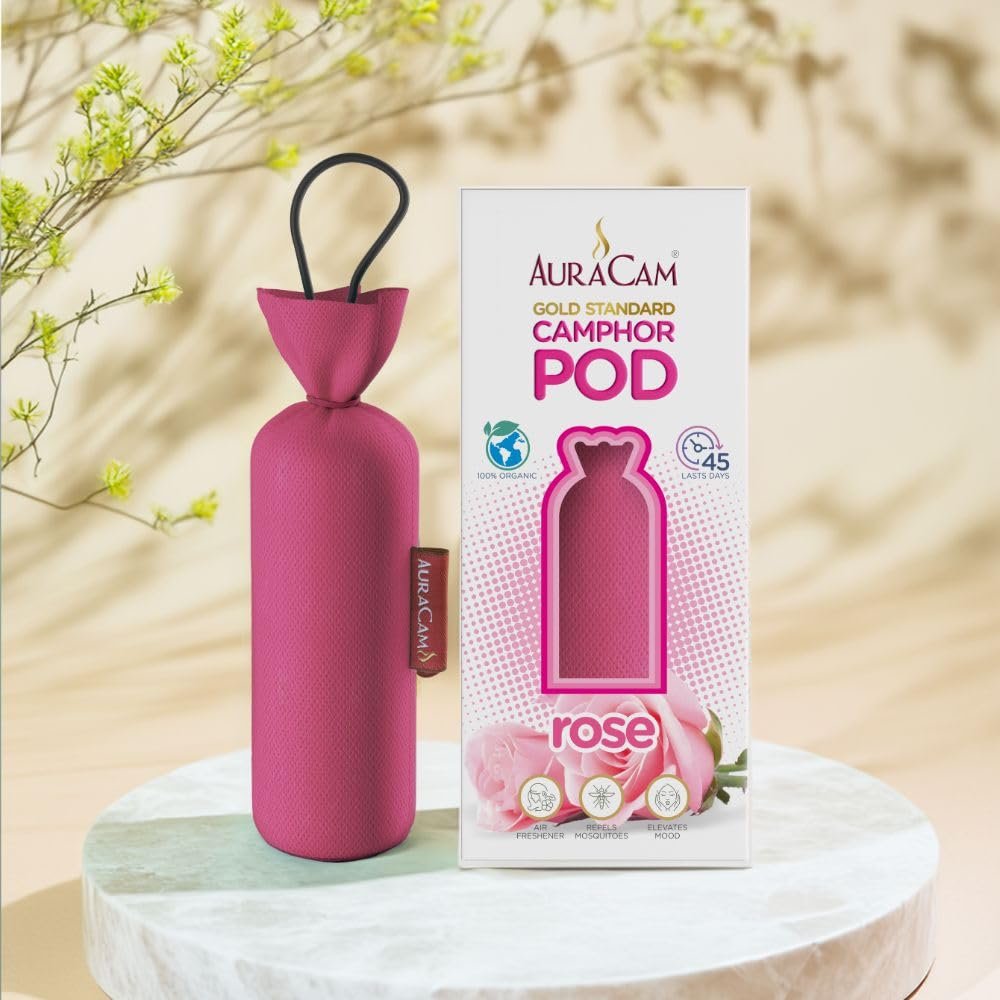
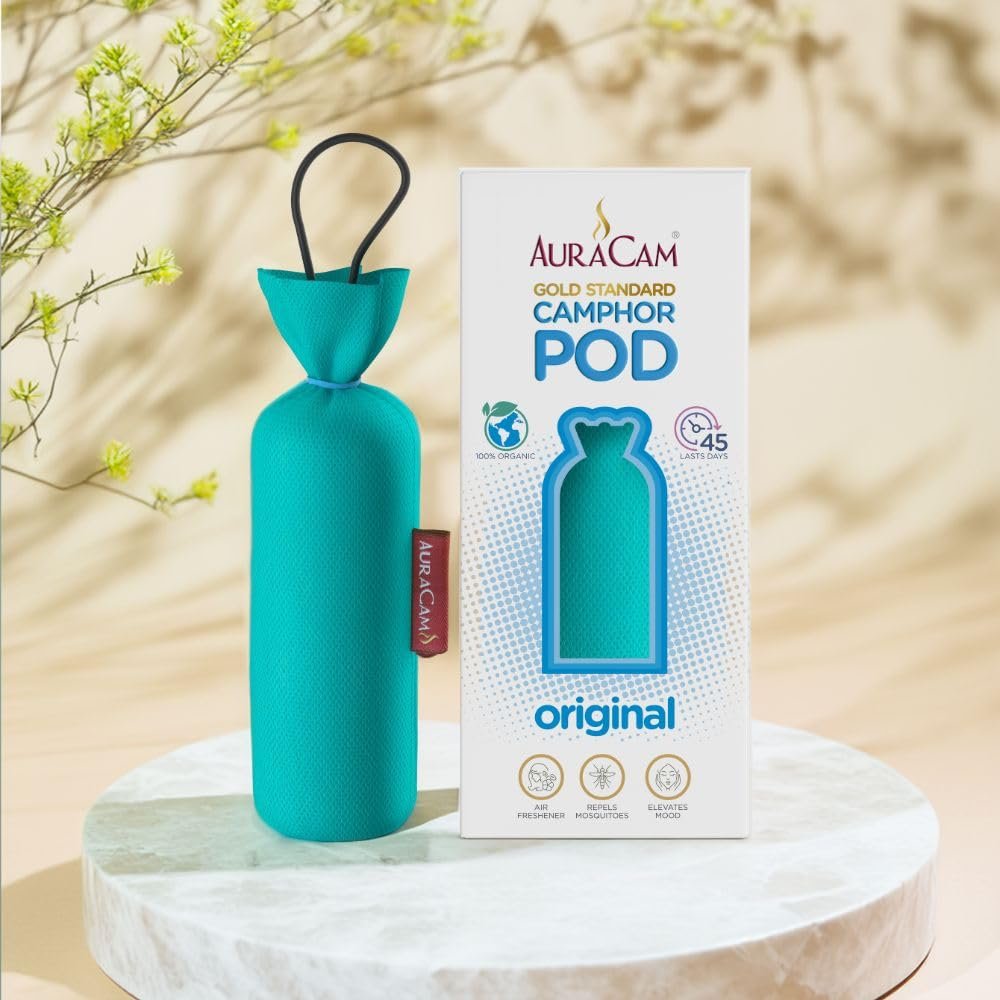
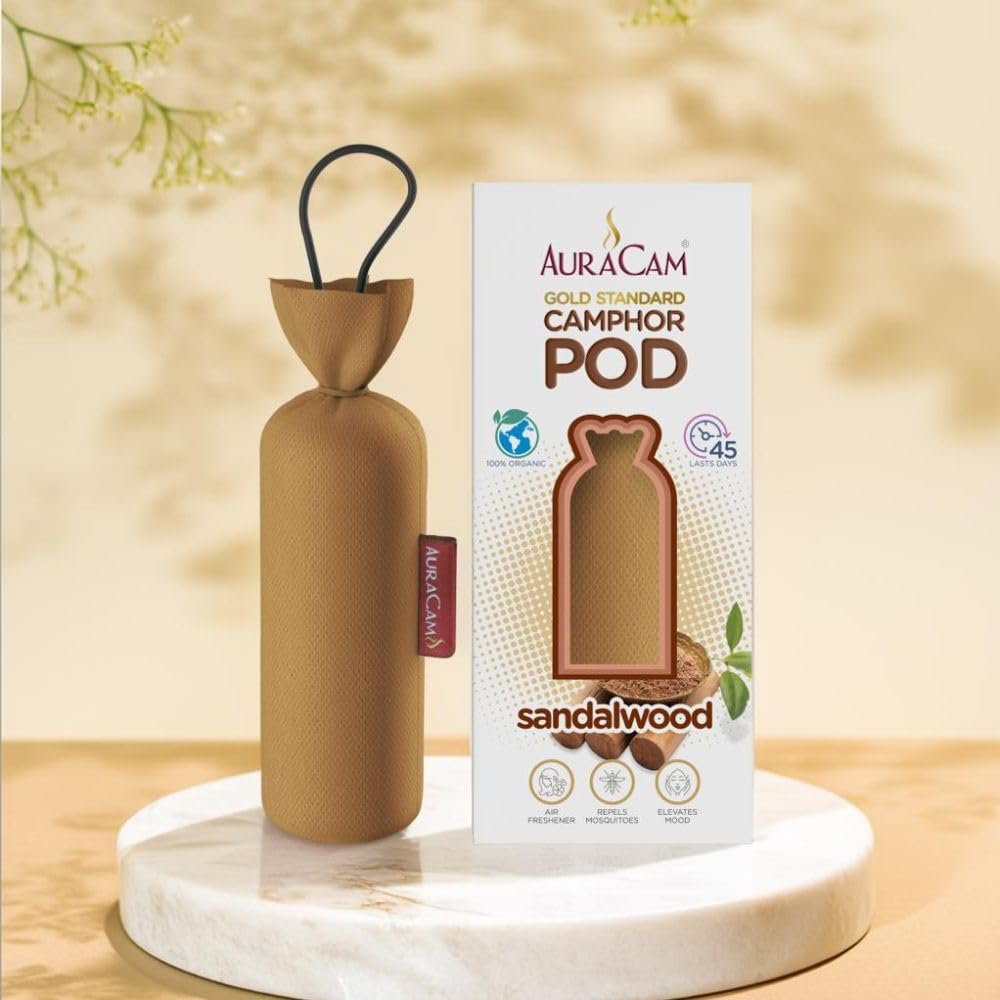
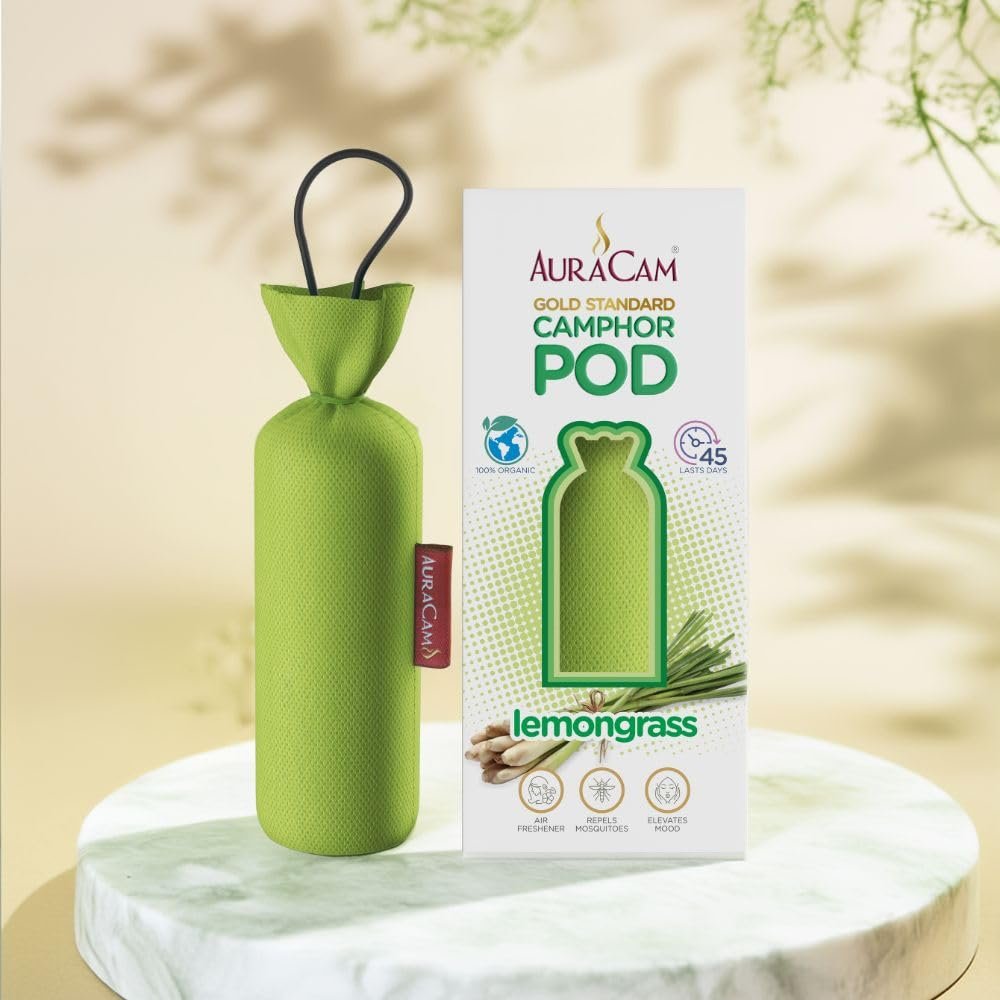
AuraCam manufactures Bhimseni Camphor through SVD PineChem, part of the Dujodwala Group’s 60-year history in the Indian Pine Chemicals industry, with quality checked at a dedicated control lab before it reaches customers. If you’re evaluating suppliers for a bulk or wholesale order, you can explore our Bhimseni Camphor range or get in touch with our team to discuss volume pricing, samples, and recurring supply arrangements.
Frequently Asked Questions
What is the minimum order quantity (MOQ) for bulk camphor?
MOQ varies by supplier and depends on the camphor grade and packaging format. It’s best to confirm this directly with the supplier before finalizing your order, since some offer tiered pricing that makes larger volumes more cost-effective per unit.
What is the difference between Bhimseni Camphor and regular camphor for bulk buyers?
Bhimseni Camphor is derived from natural pine sources and is generally considered a higher grade than synthetic or diluted camphor. For bulk buyers supplying temples, retail stores, or events, this difference affects burn quality, fragrance, and how satisfied your own end customers are – so it’s worth confirming the exact grade in writing before ordering.
Can I request a sample before placing a bulk order?
Most reputable suppliers, including AuraCam, allow buyers to request a sample before committing to a larger order. This lets you test the camphor under your actual usage conditions rather than relying on the supplier’s description alone.
How should bulk camphor be stored to maintain quality?
Camphor should be stored in airtight packaging, away from direct sunlight and heat, since it naturally sublimates over time. Proper storage matters more for bulk stock, which may sit in a warehouse for weeks or months before reaching the end customer.
Do camphor prices fluctuate seasonally?
Yes. Camphor pricing can shift based on raw material availability and seasonal demand, particularly around festivals like Diwali and Ganpati. It’s worth asking suppliers whether their bulk pricing is fixed for a period or subject to change.
How do I verify a camphor supplier is reliable before placing a bulk order?
Check for a verifiable manufacturing background, a stated quality control process, willingness to provide samples, and transparent pricing without vague “call for pricing” tactics. A documented history in the industry and a real business address are also good indicators.
Why should I choose a camphor supplier based in Mumbai over one from another city?
A Mumbai-based camphor supplier often means shorter delivery timelines, easier communication during urgent restocking, and the option to visit the facility or collect a sample in person. For businesses that rely on consistent festival-season supply, this local accessibility can matter as much as price.
Frequently Asked Questions
Choosing the right camphor supplier in Mumbai comes down to looking past the quoted price and evaluating manufacturing background, camphor grade, quality control, and delivery reliability together. Bulk buyers who take the time to sample, compare, and verify a supplier upfront typically save themselves far more in avoided returns and disrupted stock than they would by chasing the cheapest quote.
Looking to place a bulk order or discuss wholesale pricing? Contact AuraCam at customercare@auracam.in or +91 961 9001 762.